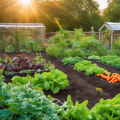
When embarking on the journey of creating a thriving garden, understanding soil types is paramount. The foundation of any successful garden lies in its soil, which not only supports plant growth but also influences water retention, nutrient availability, and overall plant health. Just as in astrology where taurus compatibility plays a role in relationships, each type of soil has unique characteristics that can significantly affect the types of plants you can cultivate and how well they will flourish. There are several primary is paramount. The foundation of any successful garden lies in its soil, which not only supports plant growth but also influences water retention, nutrient availability, and overall plant health. Just as in astrology where taurus compatibility plays a role in relationships, each type of soil has unique characteristics that can significantly affect the types of plants you can cultivate and how well they will flourish. There are several primary garden soil types to consider: clay, sandy, and loamy. Clay soil is dense and retains moisture well, making it suitable for plants that thrive in wetter conditions.
However, its compact nature can hinder root growth and drainage. In contrast, sandy soil is light and drains quickly, which can be beneficial for plants that prefer drier conditions but may require more frequent watering and fertilisation due to its low nutrient content. Loamy soil, often considered the ideal choice for gardeners, is a balanced mixture of sand, silt, and clay. This combination provides excellent drainage while retaining enough moisture and nutrients to support a wide variety of plants. Understanding the soil composition in your garden is essential for making informed decisions about amendments and plant selection.
By assessing your soil type, you can tailor your gardening practices to create an environment where your plants can thrive.
Assessing Your Garden's Needs
To successfully choose the right type of soil for your garden, it is essential to first assess your garden's needs. This involves understanding the specific requirements of the plants you wish to grow, as different species thrive in varying soil conditions.Understanding Plant Requirements
- Light Requirements: Some plants prefer full sun, while others thrive in shade. Knowing this will help you determine the best location and soil type.
- Water Needs: Consider whether your chosen plants require well-drained soil or if they can tolerate moisture. This will influence your soil selection significantly.
- Nutrient Preferences: Different plants have varying nutrient needs.
For instance, leafy greens may require more nitrogen-rich soil compared to root vegetables.
The Importance of Soil Testing
- pH Level: Most plants prefer a slightly acidic to neutral pH (around 6.0 to 7.0). A soil test will help you identify if amendments are needed to adjust the pH.
- Nutrient Content: Soil tests reveal levels of essential nutrients such as nitrogen, phosphorus, and potassium. This information allows you to amend your soil appropriately, ensuring that your plants receive the necessary nutrients for optimal growth.
- Soil Texture: Understanding whether your soil is sandy, clayey, or loamy can help you make informed decisions about drainage and moisture retention.
This proactive approach not only enhances plant health but also contributes to a more vibrant and productive garden.
Soil Amendments and Enhancements
To cultivate a thriving garden, understanding soil amendments is crucial. These enhancements can significantly improve the quality of your soil, leading to healthier plants and more bountiful harvests. Here are some key amendments to consider:- Compost: This organic matter is created from decomposed plant and animal materials. Adding compost enriches the soil with nutrients, improves its structure, and enhances moisture retention.
Aim to incorporate a 2-4 inch layer of compost into your garden beds annually.
- Peat Moss: Peat moss is an excellent amendment for improving soil aeration and moisture retention. It is particularly beneficial in sandy soils that drain quickly. However, due to environmental concerns regarding peat extraction, consider alternatives like coconut coir.
- Fertilizers: Both organic and synthetic fertilizers can provide essential nutrients that may be lacking in your soil. Organic options include bone meal, blood meal, and fish emulsion, which release nutrients slowly and improve soil health over time.
Organic matter not only provides nutrients but also fosters beneficial microbial activity, which is essential for plant growth. When selecting amendments, it’s important to conduct a soil test to determine existing nutrient levels and pH balance. This will guide you in choosing the right products for your specific garden needs. Regularly enhancing your soil with the right amendments will create a robust foundation for your plants, ensuring they thrive throughout the growing season.
Choosing Soil for Specific Plants
Choosing the right type of soil is crucial for the health and productivity of your garden.Different plants have varying requirements, and understanding these needs can significantly enhance your gardening success.
Soil for Vegetables
When it comes to growing vegetables, loamy soil is often the best choice. This type of soil is a balanced mix of sand, silt, and clay, providing excellent drainage while retaining moisture and nutrients. Additionally, incorporating organic matter such as compost can improve soil structure and fertility. Here are some key points to consider:- pH Level: Most vegetables thrive in slightly acidic to neutral pH (6.0 to 7.0).
Testing your soil's pH can help you make necessary adjustments.
- Nutrient Content: Ensure your soil is rich in essential nutrients like nitrogen, phosphorus, and potassium. Regularly adding compost or well-rotted manure can help maintain nutrient levels.
- Drainage: Good drainage is vital to prevent root rot. If your garden has heavy clay soil, consider raised beds or amending the soil with sand or perlite.
Soil for Flowers
Flowers often have specific soil requirements based on their species. For instance, perennials generally prefer well-drained, nutrient-rich soil, while annuals may thrive in a lighter mix.Here are some tips for selecting the right soil for flowering plants:
- Texture: A mix of loam and sandy soil works well for most flowers, allowing for adequate drainage while retaining moisture.
- Additives: Incorporating peat moss or vermiculite can enhance moisture retention and aeration.
- Specific Needs: Research individual flower types; some may require more acidic or alkaline conditions.
Specific Plant Needs
Certain plants have unique soil requirements that must be met for optimal growth. For example:- Cacti and Succulents: These plants prefer sandy, well-draining soil with low organic matter to prevent overwatering.
- Aquatic Plants: If you're growing plants in water features, use a special aquatic planting mix that allows roots to anchor while providing necessary nutrients.
- Tropical Plants: They often thrive in rich, organic soils that retain moisture but also drain well to mimic their natural habitat.
Common Mistakes in Soil Selection
Choosing the right soil for your garden is crucial, yet many gardeners fall into common traps that can lead to poor plant health and wasted resources. Here are some of the most frequent soil selection mistakes and how to avoid them:- Ignoring Soil Testing: One of the biggest errors is neglecting to test the soil before planting. A simple soil test can reveal pH levels, nutrient content, and organic matter, helping you make informed decisions about amendments.
- Choosing the Wrong Type of Soil: Not all plants thrive in the same type of soil.
For instance, heavy clay soils retain moisture but can suffocate roots, while sandy soils drain quickly but may not hold nutrients. Research the specific needs of your plants to select an appropriate soil type.
- Overlooking Drainage: Poor drainage can lead to waterlogged roots and plant diseases. Ensure that your chosen soil allows for adequate drainage, especially in areas prone to heavy rainfall.
- Neglecting Organic Matter: Failing to incorporate organic matter, such as compost or well-rotted manure, can result in nutrient-poor soil. Organic matter improves soil structure, enhances moisture retention, and provides essential nutrients.
- Not Considering Local Conditions: Soil composition can vary significantly by region.
What works in one area may not be suitable in another. Familiarise yourself with local soil types and conditions to make better choices.
FAQs About Garden Soil Selection
Choosing the right type of soil for your garden can be a daunting task, especially with the myriad of options available. Here are some frequently asked questions that can help clarify your choices:- What is the best type of soil for vegetable gardens? For vegetable gardens, loamy soil is often considered the best option.
It retains moisture while allowing for good drainage and is rich in nutrients. You can improve your existing soil by adding organic matter such as compost.
- How do I test my soil type? You can test your soil type by conducting a simple jar test. Take a sample of your soil, add water, and shake it well. Allow it to settle for a few hours, and then observe the layers formed.
Sand will settle at the bottom, silt in the middle, and clay on top.
- What should I do if my soil is too sandy? If your soil is too sandy, it may drain too quickly and lack nutrients. To improve it, consider adding organic matter, such as compost or well-rotted manure, which can help retain moisture and enhance nutrient content.
- Can I use garden soil for potted plants? While you can use garden soil for potted plants, it’s often better to use a potting mix. Potting mixes are specifically formulated to provide good drainage and aeration, which is crucial for container gardening.
- How often should I amend my garden soil? It’s advisable to amend your garden soil at least once a year, ideally in the spring or autumn. Regular amendments with organic matter can improve soil structure and fertility over time.
Conclusion: Making the Right Choice for Your Garden
In conclusion, selecting the right type of soil is a fundamental step in ensuring the success of your garden.The quality and composition of the soil directly influence plant health, growth, and overall garden productivity. By understanding the different types of soil available and their specific characteristics, you can make informed decisions that cater to the needs of your plants.
Key considerations
when choosing soil include:- Soil texture: Recognising whether your soil is sandy, clayey, or loamy will help you determine its drainage capabilities and nutrient retention.
- pH levels: Testing the pH of your soil is crucial, as it affects nutrient availability. Most plants thrive in slightly acidic to neutral pH levels.
- Nutrient content: Assessing the organic matter and nutrient levels in your soil can guide you in amending it with compost or fertilisers to enhance fertility.
- Drainage: Good drainage is essential to prevent waterlogging, which can lead to root rot. Consider adding materials like perlite or sand to improve drainage if necessary.
Some plants prefer well-drained sandy soils, while others thrive in rich, moisture-retentive clay soils. By aligning your soil choice with the needs of your plants, you can create a thriving garden environment.Ultimately, investing time in understanding and selecting the right soil will pay off in the long run. A well-chosen soil type not only supports healthy plant growth but also enhances the overall aesthetic and ecological balance of your garden. Remember, a successful garden begins from the ground up!.