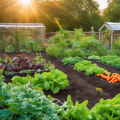
As climate change continues to impact weather patterns globally, the need for drought-resistant gardening has never been more pressing. This innovative approach to gardening not only conserves water but also promotes a sustainable ecosystem that can thrive even in the harshest conditions. By selecting plants that are naturally adapted to dry environments, gardeners can create vibrant landscapes that require minimal irrigation, thereby reducing their overall water consumption. The benefits of drought-resistant plants extend beyond mere water conservation. These plants often require less maintenance, making them ideal for busy gardeners or those new to horticulture.
Additionally, they can enhance biodiversity by providing habitats for various wildlife, including pollinators like bees and butterflies. By incorporating these resilient species into your garden, you contribute to a healthier environment while enjoying a beautiful and sustainable outdoor space. Embracing sustainable gardening practices is essential in today’s world, where every drop of water counts. Drought-resistant gardening not only addresses the immediate challenges posed by water scarcity but also aligns with broader environmental goals. As we face increasing pressures on our natural resources, adopting these practices can lead to a more resilient and eco-friendly garden that stands the test of time.
Choosing the Right Plants for Your Garden
Creating a drought-resistant garden begins with choosing the right plants.Selecting species that are naturally adapted to dry conditions can significantly enhance your garden's resilience and reduce water usage.
Drought-Tolerant Plants
Drought-tolerant plants are specifically bred or selected for their ability to thrive in low-water environments. These plants often have deep root systems, waxy leaves, or other adaptations that help them conserve moisture. Some popular options include:- Lavender - Known for its fragrant flowers and ability to withstand dry spells.
- Agave - A succulent that requires minimal water and adds a striking architectural element to gardens.
- Sedum - This hardy succulent comes in various shapes and sizes, making it versatile for different garden designs.
- Russian Sage - A perennial that not only tolerates drought but also attracts pollinators.
Native Plants for Drought Resistance
Incorporating native plants into your garden is an excellent strategy for drought resistance. Native species are adapted to the local climate and soil conditions, making them more resilient during dry periods.Some native plants to consider include:
- Black-eyed Susan - A vibrant flower that thrives in poor soil and requires little water.
- Echinacea (Coneflower) - Known for its medicinal properties, this plant is also drought-resistant and attracts butterflies.
- Yarrow - A hardy perennial that can flourish in dry conditions while providing beautiful blooms.
- Wild Bergamot - This aromatic plant not only tolerates drought but also attracts bees and butterflies.
The Best Plants for Dry Gardens
When designing a dry garden, consider grouping plants with similar water needs together. This practice, known as drought zoning, allows you to manage irrigation more effectively. Additionally, incorporating mulch around your plants can help retain soil moisture and suppress weeds. Remember, the key to a successful drought-resistant garden lies in selecting the right mix of plants that will thrive in your specific environment.Soil Preparation and Improvement Techniques
Creating a drought-resistant garden begins with proper soil preparation.The health of your soil is crucial for retaining moisture and supporting plants that thrive in dry conditions. Here are some effective techniques to improve your soil for drought resistance:
- Assess Soil Type: Understanding your soil type is the first step. Sandy soils drain quickly but hold little moisture, while clay soils retain water but can become compacted. Loamy soils, a mix of sand, silt, and clay, are ideal for drought-tolerant plants.
- Incorporate Organic Matter: Adding organic matter such as compost or well-rotted manure can significantly enhance soil structure.
This improves moisture retention and provides essential nutrients for plants. Aim to incorporate at least 2-3 inches of organic matter into the top layer of your soil.
- Use Mulch: Applying a layer of mulch around your plants helps to reduce evaporation from the soil surface. Organic mulches like wood chips or straw not only conserve moisture but also improve soil quality as they decompose.
- Soil Amendments: Consider using amendments like gypsum to improve clay soils or perlite to enhance drainage in sandy soils. These amendments can help create a more balanced environment for drought-resistant plants.
- Test Soil pH: Drought-tolerant plants often prefer slightly acidic to neutral pH levels (6.0-7.0).
Conducting a soil test can help you determine if adjustments are needed to optimise conditions for your plants.
Watering Strategies for Drought Conditions
Creating a drought-resistant garden requires careful planning and efficient watering strategies that not only conserve water but also promote healthy plant growth. Here are some effective techniques to consider:Efficient Watering Techniques
- Soaker Hoses: These hoses allow water to seep slowly into the soil, providing deep moisture directly to the roots while minimising evaporation.
- Rain Barrels: Collecting rainwater is an excellent way to utilise natural resources. Position barrels under downspouts to gather water for later use.
- Mulching: Applying a layer of organic mulch around plants helps retain soil moisture, suppress weeds, and regulate soil temperature.
Drip Irrigation Systems
A drip irrigation system is one of the most efficient ways to water a garden, delivering water directly to the base of each plant.This method reduces water waste and ensures that plants receive consistent moisture. When installing a drip system, consider the following:
- Use a timer to automate watering schedules, ensuring plants receive water during the cooler parts of the day.
- Adjust the flow rate based on plant needs; some plants may require more frequent watering than others.
Watering Schedule for Drought Gardens
Establishing a proper watering schedule is crucial for maintaining a drought-resistant garden. Here are some tips:- Water Deeply but Infrequently: Aim for deep watering sessions once or twice a week rather than daily shallow watering. This encourages deeper root growth.
- Monitor Soil Moisture: Use a moisture meter or simply check the soil with your fingers.
Water only when the top inch of soil feels dry.
- Adjust for Weather Conditions: Be mindful of rainfall and adjust your watering schedule accordingly. Overwatering can be just as harmful as underwatering.
Mulching and Ground Cover Options
Creating a drought-resistant garden involves strategic planning, and one of the most effective methods is through mulching and the use of ground cover plants. These techniques not only help in retaining soil moisture but also play a crucial role in reducing evaporation, thereby ensuring your garden thrives even in dry conditions.Benefits of Mulching
Mulching offers numerous benefits for drought-resistant gardens:- Moisture Retention: A layer of mulch helps to keep the soil moist by reducing evaporation, which is essential during hot, dry spells.
- Weed Suppression: By blocking sunlight, mulch prevents weed growth, which can compete with your plants for water and nutrients.
- Soil Temperature Regulation: Mulch acts as an insulator, keeping the soil cooler in summer and warmer in winter.
- Nutrient Enrichment: Organic mulches break down over time, adding valuable nutrients back into the soil.
Best Mulch Types for Drought Gardens
When selecting mulch for a drought-resistant garden, consider the following options:- Bark Chips: These are long-lasting and effective at moisture retention.
- Straw or Hay: These materials decompose quickly but provide excellent coverage and moisture retention initially.
- Gravel or Stone: Ideal for decorative purposes, they do not decompose and can help retain moisture while allowing water to penetrate.
- Cocoa Hulls: Not only do they smell great, but they also provide a rich source of nutrients as they break down.
Ground Cover Plants for Moisture Retention
In addition to mulching, incorporating ground cover plants can significantly enhance moisture retention. Here are some excellent choices:- Creeping Thyme: This hardy plant thrives in dry conditions and forms a dense mat that helps retain soil moisture.
- Sedum: Known for its succulent leaves, sedum varieties are drought-tolerant and ideal for sunny spots.
- Lamb's Ear (Stachys byzantina): With its soft, fuzzy leaves, this plant not only retains moisture but also adds texture to your garden.
- Ajuga (Bugleweed): This low-growing perennial is perfect for shaded areas and helps suppress weeds while retaining moisture.
Remember to regularly check your mulch layer and replenish it as needed to maintain its effectiveness.
Designing Your Drought-Resistant Garden Layout
Creating a drought-resistant garden begins with thoughtful garden design that prioritises water efficiency while maintaining visual appeal. Here are some essential tips to consider when planning your layout:- Assess Your Space: Start by evaluating the sunlight, soil type, and existing vegetation in your garden. Understanding these factors will help you choose the right plants and their placement.
- Group Plants Wisely: Cluster plants with similar water needs together. This not only simplifies watering but also creates a more cohesive look.
Consider using drought-tolerant plants such as succulents, lavender, and ornamental grasses.
- Incorporate Hardscaping: Use materials like gravel, stones, or pavers to create pathways and patios. These elements reduce the area that requires watering and can enhance the overall aesthetic of your garden.
- Create Microclimates: Design your garden to include shaded areas using trees or trellises. These microclimates can help retain moisture and protect more delicate plants from harsh sun exposure.
- Utilise Contour Gardening: Implementing a contour layout can help manage water runoff and promote better water absorption in the soil. This technique involves planting on the natural contours of your land, allowing rainwater to flow into the root zones of your plants.
- Incorporate Mulching: Adding a layer of mulch around your plants can significantly reduce evaporation, keeping the soil moist for longer periods.
Organic mulches also improve soil quality as they decompose.
Maintaining Your Drought-Resistant Garden
Maintaining a drought-resistant garden requires a thoughtful approach to ensure that your plants thrive despite limited water availability. Here are some essential maintenance tips to keep your garden flourishing.Seasonal Care for Dry Gardens
Each season brings unique challenges and opportunities for your drought-resistant garden. Here are some seasonal care tips:- Spring: As temperatures rise, check for any signs of stress in your plants.
Apply a layer of organic mulch around the base of your plants to retain moisture and suppress weeds.
- Summer: During the hottest months, focus on deep watering techniques. Water early in the morning or late in the evening to minimise evaporation. Consider using drip irrigation systems to deliver water directly to the roots.
- Autumn: This is an ideal time to assess your garden's performance. Remove any dead or diseased plants and add compost to enrich the soil for the next growing season.
- Winter: Protect your plants from frost by covering them with frost cloths or straw.
This will help maintain soil temperature and moisture levels.
Pest Control in Drought-Resistant Gardens
Pest management is crucial in maintaining a healthy garden, especially in drought conditions where plants may be more vulnerable. Here are some effective strategies:- Encourage Beneficial Insects: Attract ladybugs and lacewings by planting flowers like marigolds and yarrow. These insects can help control aphid populations naturally.
- Regular Monitoring: Keep an eye on your plants for any signs of pest infestations. Early detection can prevent larger problems down the line.
- Natural Remedies: Use insecticidal soap or neem oil as a natural pest control method.
These options are less harmful to beneficial insects and the environment.
Common Challenges and Solutions in Drought Gardening
Creating a drought-resistant garden can present several challenges, but understanding these issues and implementing effective solutions can lead to a thriving landscape even in dry conditions.Common Challenges in Drought Gardening
- Soil Quality: Poor soil structure can hinder water retention, making it difficult for plants to access moisture.
- Pest and Disease Management: Drought-stressed plants are more susceptible to pests and diseases, which can further compromise their health.
- Plant Selection: Choosing the wrong plants that are not suited for dry conditions can lead to failure in establishing a drought-resistant garden.
Solutions for Dry Garden Issues
- Improve Soil Quality: Incorporate organic matter such as compost or well-rotted manure to enhance soil structure and moisture retention.
- Mulching: Apply a layer of mulch around plants to reduce evaporation, suppress weeds, and maintain consistent soil temperature.
- Choose Native Plants: Opt for native or drought-tolerant species that are adapted to local conditions and require less water once established.
Troubleshooting Drought-Resistant Gardens
If you encounter issues in your drought-resistant garden, consider the following troubleshooting tips:- Assess Watering Practices: Ensure you are watering deeply but infrequently to encourage deep root growth.
- Monitor Plant Health: Regularly check for signs of stress, such as wilting or yellowing leaves, which may indicate inadequate water or nutrient levels.
- Adjust Plant Placement: If certain plants are struggling, consider relocating them to areas with better sun exposure or protection from harsh winds.
Conclusion: Embracing Sustainable Gardening Practices
In conclusion, creating a drought-resistant garden is not just a trend but a necessary shift towards sustainable gardening practices. As we face increasing challenges posed by climate change, adopting methods that conserve water and promote biodiversity is essential for the health of our ecosystems.Throughout this article, we have explored various strategies to enhance your garden's resilience against drought. By selecting native plants that are well-adapted to local conditions, you can significantly reduce water usage while supporting local wildlife. Additionally, implementing techniques such as mulching, drip irrigation, and rainwater harvesting can further optimise water efficiency.Moreover, the importance of soil health cannot be overstated.Enriching your soil with organic matter not only improves its structure but also enhances its ability to retain moisture. This practice is vital for sustaining plant life during dry spells.As you embark on your journey towards a more sustainable garden, remember that every small change contributes to a larger impact. By embracing these practices, you are not only creating a beautiful outdoor space but also playing a crucial role in conserving our planet's precious resources.Ultimately, a drought-resistant garden serves as a testament to our commitment to sustainability and environmental stewardship. Let us all strive to cultivate gardens that thrive in harmony with nature, ensuring a greener future for generations to come.