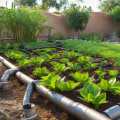
Creating a successful vegetable garden begins with a thorough understanding of your garden space. This involves assessing various factors such as sunlight exposure, soil type, and the overall area available for planting. Each of these elements plays a crucial role in determining what vegetables will thrive in your garden and how to arrange them for optimal growth. First and foremost, consider the sunlight requirements of the vegetables you wish to grow. Most vegetables require at least six hours of direct sunlight each day.
Observe your garden throughout the day to identify which areas receive the most light and which are shaded by trees or structures. This will help you decide where to place sun-loving plants like tomatoes and peppers, while shade-tolerant varieties such as lettuce and spinach can be positioned in less sunny spots. Next, evaluate the soil type in your garden. Healthy soil is vital for a productive vegetable garden, as it provides essential nutrients and supports root development. Conduct a simple soil test to determine its pH level and nutrient content.
If your soil is heavy clay or sandy, consider amending it with organic matter such as compost to improve its structure and fertility. Additionally, understanding the drainage capabilities of your soil will help you avoid waterlogged conditions that can harm your plants. Finally, take stock of the available area in your garden. Whether you have a small balcony or a sprawling backyard, planning your vegetable garden layout is essential. Consider using raised beds or container gardening if space is limited, as these methods can maximise yield while making maintenance easier.
By thoughtfully assessing your garden space, you set the foundation for a thriving vegetable garden that can provide fresh produce for you and your family.
Choosing the Right Vegetables
When embarking on your vegetable gardening journey, choosing the right vegetables is crucial for a successful harvest. The selection process should consider your local climate, the season, and the compatibility of plants with one another.Best Vegetables to Grow
Start by identifying which vegetables thrive in your region. Some of the best vegetables to grow include:- Tomatoes: Ideal for warm climates and can be grown in pots or directly in the ground.
- Carrots: A cool-season crop that can be sown early in spring or late summer.
- Lettuce: Quick to germinate and perfect for successive sowing throughout the growing season.
- Beans: These are great for nitrogen fixation and can be planted after the last frost.
Seasonal Vegetables
Understanding seasonal vegetables is essential for timing your planting effectively. In spring, opt for cool-weather crops like peas and radishes, while summer is perfect for heat-loving plants such as peppers and cucumbers.Autumn allows for a second round of cool-season crops, including kale and spinach, which can often survive light frosts.
Companion Planting
Companion planting is another strategy that can enhance your garden's productivity. Certain plants can benefit each other when grown together. For example:- Basil and Tomatoes: Basil can improve the flavour of tomatoes while repelling pests.
- Carrots and Onions: These two can coexist well, as onions deter carrot flies.
- Corn, Beans, and Squash: Known as the "Three Sisters," this combination supports each other’s growth through mutual benefits.
Soil Preparation and Fertilisation
Creating a successful vegetable garden begins with healthy soil, which serves as the foundation for your plants. Proper soil preparation is essential to ensure that your vegetables receive the nutrients they need to thrive.Here are some key steps to consider:
- Soil Testing: Before you start planting, it’s crucial to understand the current state of your soil. Conduct a soil test to determine pH levels and nutrient content. This information will guide you in making necessary amendments.
- Amending Soil: Based on your soil test results, you may need to amend your soil. Common amendments include compost, well-rotted manure, and other organic materials that improve soil structure and fertility.
- Tilling: Tilling the soil helps to aerate it and mix in organic matter.
However, be cautious not to over-till, as this can disrupt soil structure and harm beneficial organisms.
- Mulching: After planting, apply a layer of organic mulch around your vegetables. This helps retain moisture, suppress weeds, and gradually enrich the soil as it breaks down.
Watering Techniques for Optimal Growth
Watering is a critical aspect of maintaining a thriving vegetable garden.Understanding the right watering methods and establishing an effective watering schedule can significantly enhance plant health and yield.
Effective Watering Methods
- Drip Irrigation: This method delivers water directly to the roots of plants, minimising evaporation and runoff. It is particularly beneficial for vegetable gardens as it ensures consistent moisture levels.
- Soaker Hoses: These hoses allow water to seep out slowly along their length, providing deep watering without wetting the foliage. This technique helps prevent fungal diseases.
- Hand Watering: While more labour-intensive, hand watering allows for precise control over how much water each plant receives. It’s ideal for smaller gardens or specific plants that require extra attention.
Establishing a Watering Schedule
A well-planned watering schedule is essential for optimal growth.Here are some tips to consider:
- Frequency: Most vegetables require about 1-2 inches of water per week, either from rainfall or irrigation. Adjust your schedule based on weather conditions; during hot spells, you may need to increase watering frequency.
- Timing: Watering early in the morning is ideal as it allows plants to absorb moisture before the heat of the day. Evening watering can lead to prolonged moisture on leaves, increasing the risk of disease.
- Soil Moisture Check: Regularly check the soil moisture by digging a small hole or using a moisture meter. This will help you determine when to water and avoid overwatering.
Remember, the key is to provide adequate moisture while avoiding waterlogging, which can harm plant roots.
Pest Management Strategies
Effective pest management is crucial for maintaining a thriving vegetable garden. By adopting organic methods, you can protect your plants while promoting a healthy ecosystem. Here are some strategies to help you manage pests effectively:- Identify Common Pests: Start by familiarising yourself with the common garden pests that may invade your vegetable garden. These include aphids, slugs, caterpillars, and whiteflies.
Regularly inspect your plants for signs of infestation, such as discolouration or holes in the leaves.
- Encourage Beneficial Insects: Attracting natural predators like ladybirds and lacewings can significantly reduce pest populations. Planting flowers such as marigolds and dill can help draw these beneficial insects to your garden.
- Use Organic Pest Control Methods: Consider using organic solutions like neem oil, insecticidal soap, or diatomaceous earth. These products are less harmful to the environment and can effectively target pests without harming beneficial insects.
- Implement Crop Rotation: Rotating your crops each season can disrupt the life cycles of pests that thrive on specific plants. This practice not only helps in pest management but also improves soil health.
- Physical Barriers: Use row covers or netting to physically block pests from reaching your plants.
This method is particularly effective for protecting young seedlings from insect damage.
Seasonal Maintenance Tips
Maintaining a successful vegetable garden requires attention to seasonal tasks that ensure your plants thrive throughout the year. By implementing a structured maintenance routine, you can enhance productivity and health in your garden.Spring Maintenance
As the growing season begins, focus on preparing your soil. This includes:- Testing soil pH: Ensure your soil is suitable for the vegetables you plan to grow.
- Adding organic matter: Incorporate compost or well-rotted manure to enrich the soil.
- Weeding: Remove any weeds that may compete with your crops for nutrients and water.
Summer Care
During the summer months, regular maintenance is crucial:- Watering: Ensure consistent moisture, especially during dry spells. Early morning is the best time to water.
- Pest control: Monitor for pests and diseases, using organic methods where possible to protect your crops.
- Mulching: Apply mulch around plants to retain moisture and suppress weeds.
Autumn Preparation
As the season changes, it’s time to prepare for the next year:- Crop rotation: Plan your crop rotation for the following year to prevent soil depletion and reduce pest issues.
- Harvesting: Collect your vegetables promptly to enjoy their peak flavour and prevent overripening.
- Soil amendment: After harvesting, consider adding green manure or cover crops to improve soil health over winter.
Winter Maintenance
Even in winter, there are tasks that can benefit your garden:- Planning: Use this time to plan your garden layout and select seeds for the upcoming season.
- Tool care: Clean and maintain your gardening tools to ensure they are ready for use in spring.
- Protecting plants: If you have overwintering crops, ensure they are adequately protected from frost and harsh weather conditions.
Regular attention to these tasks not only enhances productivity but also fosters a deeper connection with your garden's ecosystem.
Harvesting and Storing Your Produce
Harvesting your vegetables at the right time is crucial for maximising flavour and nutritional value. Each type of vegetable has its own ideal harvesting window, so it’s important to monitor their growth closely. For instance, leafy greens like spinach and lettuce should be picked when they are young and tender, while root vegetables such as carrots and beets can be harvested once they reach a desirable size.Harvesting Tips:
- Use the right tools: A sharp knife or garden shears can help prevent damage to the plant and ensure a clean cut.
- Harvest in the morning: This is when vegetables are most hydrated, making them crisper and more flavourful.
- Avoid bruising: Handle your produce gently to prevent bruising, which can lead to quicker spoilage.
- Refrigeration: Most leafy greens, cucumbers, and peppers should be stored in the fridge to prolong their shelf life.
- Cool, dark places: Root vegetables like potatoes and onions do best in a cool, dark environment with good ventilation.
- Drying or freezing: For long-term storage, consider drying herbs or freezing excess produce.
This method preserves flavour and nutrients effectively.
Preserving Produce:
If you find yourself with an abundance of vegetables, preserving them can be a great way to enjoy your garden's bounty year-round. Here are some popular methods:
- Canning: This method involves sealing vegetables in jars and heating them to kill bacteria, allowing for long-term storage.
- Picking: Pickling vegetables in vinegar can add a tangy flavour while extending their shelf life.
- Fermentation: This process not only preserves but also enhances the nutritional value of your produce.
Frequently Asked Questions about Vegetable Gardening
Starting a vegetable garden can be an exciting yet daunting task for many new gardeners. Here are some frequently asked questions that can help you navigate common challenges and enhance your gardening experience.What vegetables are easiest to grow for beginners?
For those just starting out, consider planting easy-to-grow vegetables such as:- Radishes - Quick to germinate and harvest.
- Lettuce - Grows rapidly and can be harvested multiple times.
- Carrots - Require minimal care and are rewarding to harvest.
- Tomatoes - A popular choice that thrives in sunny spots.
- Zucchini - Produces abundant yields with little effort.
How do I know when to water my vegetable garden?
Watering is crucial for the health of your plants.Here are some tips:
- Check the soil moisture by sticking your finger about an inch into the soil. If it feels dry, it’s time to water.
- Water early in the morning or late in the afternoon to reduce evaporation.
- Avoid overhead watering; instead, use a soaker hose or drip irrigation to deliver water directly to the roots.
What should I do if my plants are not growing well?
If you notice stunted growth or wilting, consider these troubleshooting steps:- Check for pests: Inspect leaves and stems for signs of insects or disease.
- Assess sunlight: Ensure your plants are receiving adequate sunlight, ideally 6-8 hours a day.
- Evaluate soil quality: Test your soil pH and nutrient levels; amend as necessary with compost or fertiliser.