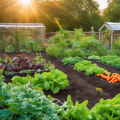
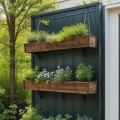
Colour plays a pivotal role in the overall aesthetics of your garden, transforming it from a mere collection of plants into a vibrant tapestry of life. The importance of colour in your garden cannot be overstated; it influences not only the visual appeal but also the emotional response of those who experience it. A well-planned colour scheme can evoke feelings of joy, tranquillity, and even nostalgia, making your outdoor space a sanctuary for relaxation and reflection, much like how incorporating Essential Beauty and Skincare Products to Embrace can enhance your personal care routine. Moreover, a colourful garden offers numerous benefits beyond mere aesthetics. It can attract beneficial wildlife, such as pollinators and birds, which are essential for maintaining a healthy ecosystem.
Additionally, incorporating a variety of colours can help to create focal points and guide the eye through the landscape, enhancing the overall design. This dynamic interplay of hues can also serve to mask less attractive features or areas within your garden, allowing for a more cohesive and inviting environment. As you embark on your journey to enrich your garden with colour, consider how different shades can influence mood and perception. For instance, warm colours like reds and yellows can energise a space, while cool colours such as blues and greens tend to promote calmness. Understanding these psychological effects will not only enhance the beauty of your garden but also create an atmosphere that resonates with your personal style and preferences.
Seasonal Planting for Year-Round Colour
To achieve a vibrant garden throughout the year, seasonal planting is essential.By selecting plants that bloom in different seasons, you can ensure that your garden remains colourful and inviting no matter the time of year.
Spring
is a time of renewal, and it’s the perfect season to introduce a variety of flowering plants. Consider planting daffodils, tulips, and hyacinths, which will provide a burst of colour as they emerge from the ground. Additionally, primroses and crocuses can add early spring cheer with their bright hues.As we transition into summer , the garden can be filled with an array of vibrant blooms. Opt for roses, lavender, and sunflowers, which not only add colour but also attract pollinators.
Incorporating perennials like coneflowers and daylilies ensures that your garden remains lively throughout the summer months.
Autumn
brings a different palette to the garden. Consider planting chrysanthemums, which bloom in rich reds, oranges, and yellows, perfectly complementing the fall foliage. Additionally, Asters can provide late-season colour, extending the blooming period into October.Finally, in winter , while many plants may be dormant, there are still options to keep your garden visually appealing. Evergreens such as holly, with its bright red berries, and Pine trees, provide structure and colour during the colder months.
Additionally, consider planting winter-flowering shrubs like Cornus or Sarcococca, which can add subtle beauty to your landscape.By carefully selecting plants for each season, you can create a garden that offers year-round colour and interest. This thoughtful approach to garden and landscaping information not only enhances the aesthetic appeal but also supports local wildlife throughout the changing seasons.
Incorporating Annuals and Perennials
When it comes to adding vibrant colour to your garden, understanding the difference between annuals and perennials is essential. Both types of plants can contribute significantly to your garden's aesthetic, but they do so in different ways.Annuals
are plants that complete their life cycle within a single growing season. They germinate, bloom, and die all in one year.
This rapid growth allows for a wide variety of colours and styles, making them perfect for seasonal displays. Some of the best annual flowers for adding colour include:
- Petunias: Available in a range of colours, these flowers are known for their vibrant blooms and ability to thrive in various conditions.
- Marigolds: With their bright orange and yellow hues, marigolds are not only beautiful but also help deter pests.
- Zinnias: These hardy flowers come in many shades and are excellent for attracting butterflies to your garden.
Some popular perennial plants include:
- Lavender: Known for its soothing fragrance and purple flowers, lavender adds both beauty and utility to your garden.
- Daylilies: These resilient plants produce stunning blooms in various colours and can thrive in diverse conditions.
- Hostas: While primarily valued for their foliage, hostas can also produce lovely flowers that add subtle colour to shaded areas.
Utilising Foliage for Year-Round Interest
When considering ways to enhance your garden's aesthetic appeal throughout the year, foliage plants play a crucial role. While many gardeners focus on flowering plants for seasonal colour, incorporating a variety of foliage can provide stunning visual interest even when blooms are absent.One of the most effective strategies is to select plants with colourful leaves. These plants can add depth and vibrancy to your garden, creating a dynamic landscape that changes with the seasons.Here are some excellent choices:
- Heuchera (Coral Bells) : Known for their striking foliage, Heucheras come in a range of colours from deep purple to bright lime green. Their leaves can provide a beautiful contrast against other plants.
- Japanese Maple (Acer palmatum) : This tree is celebrated for its stunning leaf shapes and colours, which can range from fiery red in autumn to vibrant green in spring and summer.
- Hostas : With their lush, broad leaves, Hostas are perfect for shaded areas. Varieties like 'Patriot' offer striking white margins that brighten up darker corners of your garden.
- Caladium : These tropical plants boast large, heart-shaped leaves that come in a variety of colours and patterns, making them ideal for adding a splash of colour during the warmer months.
- Variegated Plants : Consider incorporating variegated varieties of common shrubs or perennials. Plants like Euonymus fortunei or variegated Liriope can add texture and interest with their mixed leaf colours.
By placing taller plants at the back and shorter ones in front, you can create a visually appealing display that showcases the unique characteristics of each plant. Furthermore, mixing different leaf shapes and sizes will enhance the overall texture of your garden.By thoughtfully incorporating these vibrant foliage options into your garden design, you can ensure that your outdoor space remains lively and engaging throughout the year, providing continuous garden interest beyond just flowering seasons.
Creating a Colourful Hardscape
When considering how to enhance your garden's aesthetic appeal, hardscape design plays a crucial role. By incorporating various hardscaping elements, you can introduce vibrant colours and textures that complement your plant life throughout the year.1.Colourful Garden Paths
- Paving Stones: Opt for coloured paving stones or bricks to create a striking pathway. Shades of red, blue, or even patterned stones can lead the eye through your garden while adding a pop of colour.
- Gravel and Mulch: Using coloured gravel or decorative mulch can also enhance the visual appeal of your paths.
Choose hues that contrast with your plants to make them stand out.
2.Decorative Walls and Fences
- Painted Fences: A fresh coat of paint on your garden fence can dramatically change the atmosphere. Consider bold colours like teal or mustard yellow to create a lively backdrop for your greenery.
- Stone Walls: Incorporating natural stone walls not only adds texture but can also be enhanced with climbing plants or colourful mosaics embedded within the stonework.
3.Garden Furniture and Accessories
- Brightly Coloured Furniture: Invest in outdoor furniture that features vibrant colours. Chairs, tables, and benches in shades like orange or green can serve as focal points in your garden.
- Decorative Planters: Use planters in various shapes and colours to add interest. Terracotta pots can be painted or wrapped in colourful materials to match your garden's theme.
Using Garden Accessories and Decor
Enhancing the colour palette of your garden can be achieved not only through plants but also by incorporating garden accessories and decor.These elements can add vibrancy and personality to your outdoor space, making it a year-round visual delight.
1.Colourful Pots and Planters
- Choose pots in bright hues such as red, blue, or yellow to create a striking contrast against the greenery of your plants.
- Consider using patterned or textured planters that can add depth and interest to your garden.
- Mix and match different sizes and shapes for a more dynamic look.
2.Decorative Garden Sculptures
- Incorporate sculptures made from materials like metal, stone, or ceramic that feature vibrant colours or interesting designs.
- Look for pieces that reflect your personal style, whether whimsical, modern, or classic.
- Position sculptures strategically to draw the eye and create focal points throughout your garden.
3.Outdoor Furniture
- Select garden furniture in bold colours or with unique patterns to make a statement.
- Consider cushions and throws in bright shades to add comfort and colour to seating areas.
- Opt for weather-resistant materials to ensure longevity while maintaining aesthetic appeal.
4.Lighting Features
- Add coloured LED lights or lanterns that can illuminate your garden at night, creating a magical atmosphere.
- Use string lights to outline pathways or highlight specific areas, enhancing the overall ambience.
Planning for Seasonal Changes: A Colour Calendar
Creating a vibrant garden that changes with the seasons requires careful planning and an understanding of how different plants contribute to your garden's colour palette throughout the year. A garden colour calendar can be an invaluable tool in achieving this goal.Spring: Awakening Colours
- In early spring, focus on bulbs such as tulips, daffodils, and hyacinths. These flowers bring bright hues of yellow, pink, and purple to your garden.
- Consider adding perennials like primroses and pansies for early blooms that can withstand cooler temperatures.
Summer: A Burst of Life
- As the weather warms, introduce a variety of annuals such as petunias, marigolds, and zinnias. These plants offer a wide range of colours and can fill in any gaps left by spring blooms.
- Incorporate perennial flowers like echinacea and daylilies for lasting summer colour.
Autumn: Rich Tones
- In autumn, focus on plants that showcase warm tones.
Consider adding chrysanthemums, asters, and ornamental grasses that turn golden or reddish-brown.
- Don’t forget about foliage! Trees and shrubs like maples and oaks provide stunning autumnal colours.
Winter: Subtle Beauty
- Even in winter, your garden can shine with the right choices. Incorporate evergreens such as holly and boxwood for structure and colour.
- Add winter-flowering plants like hellebores or winter jasmine, which can provide unexpected pops of colour during the colder months.
FAQs About Adding Colour to Your Garden
When it comes to adding colour to your garden, many gardeners have questions about the best practices and tips. Here are some frequently asked questions that can help you enhance the vibrancy of your outdoor space.- What are the best plants for year-round colour?
To ensure your garden is lively throughout the seasons, consider incorporating a mix of evergreen plants, perennials, and seasonal annuals.For example, Hellebores bloom in winter, while Dahlias and Chrysanthemums can add late-season colour.
- How can I use hardscaping to add colour?
Incorporating colourful garden furniture, decorative stones, or painted pots can significantly enhance the visual appeal of your garden. Consider using bright hues that complement your plant choices. - What role do bulbs play in adding colour?
Bulbs such as Tulips, Daffodils, and Crocuses are excellent for spring colour. Plant them in clusters for a more impactful display when they bloom. - How can I create a colour scheme?
Establishing a cohesive colour scheme can unify your garden. Choose a palette of complementary colours, such as blues and yellows or reds and oranges, to create a harmonious look. - Are there any tips for seasonal planting?
To maintain continuous colour, plan your planting schedule around the seasons.For instance, plant summer-flowering perennials in spring and autumn-flowering varieties in late summer.
Conclusion: Embracing Colour in Your Garden Journey
In conclusion, adding colour to your garden throughout the year is not only a rewarding endeavour but also a vital aspect of creating a vibrant outdoor space. By understanding the seasonal dynamics of plants and flowers, you can ensure that your garden remains visually appealing, regardless of the time of year.Throughout this article, we explored various strategies to enhance your garden's colour palette:- Seasonal Planting: Choosing plants that bloom in different seasons allows for continuous colour. For instance, spring bulbs like tulips and daffodils can be followed by summer perennials such as echinacea and daylilies.
- Foliage Variation: Incorporating plants with diverse leaf colours and textures can add depth and interest even when flowers are not in bloom.
Consider using plants like Heuchera or Japanese Maple.
- Container Gardening: Using pots and containers allows for flexibility in colour placement. You can easily change arrangements seasonally or even monthly to keep your garden fresh.
- Hardscaping Elements: Integrating colourful stones, tiles, or painted furniture can provide a backdrop that enhances the natural colours of your plants.