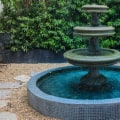
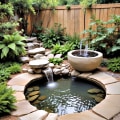
Incorporating water features into your landscape design can transform an ordinary garden into a serene oasis. These elements not only enhance the visual appeal of your outdoor space but also play a crucial role in creating a harmonious environment. The gentle sound of flowing water can evoke a sense of calm, making your garden a perfect retreat from the hustle and bustle of daily life. Furthermore, water features can serve as focal points, drawing the eye and providing a natural gathering place for family and friends. The importance of water features extends beyond aesthetics; they offer numerous landscape design benefits.
For instance, they can help regulate temperature, attract wildlife, and even improve air quality. A well-placed pond or fountain can create microclimates that support diverse plant life and encourage beneficial insects. Additionally, water features can aid in managing stormwater runoff, promoting sustainability within your garden. When considering water features in gardens, it’s essential to think about the overall design and how these elements will integrate with existing plants and structures. Whether you opt for a tranquil pond, a bubbling fountain, or a cascading waterfall, each feature brings its unique charm and functionality.
By thoughtfully incorporating water into your landscape, you not only enhance the beauty of your garden but also create a dynamic ecosystem that thrives throughout the seasons.
Types of Water Features to Consider
Incorporating water features into your landscape design can transform your garden into a serene oasis. Here are some popular types of water features to consider:- Garden Ponds: A garden pond can serve as a stunning focal point in your landscape. These ponds can be designed to accommodate fish, aquatic plants, and even small waterfalls. When planning a pond, consider its size and depth, as well as the surrounding vegetation to create a natural look.
A well-maintained pond not only enhances the aesthetic appeal but also supports local wildlife.
- Fountains: Fountains come in various styles, from traditional tiered designs to modern minimalist structures. They can be placed in the centre of a garden or as part of a patio area. The sound of flowing water from a fountain adds a calming ambiance and can mask unwanted noise from nearby roads or neighbours. Additionally, fountains can be equipped with LED lighting to create a stunning visual effect at night.
- Waterfalls: Waterfalls can be integrated into your landscape design by creating a cascading effect over rocks or boulders.
This type of water feature is particularly effective when combined with a pond, allowing water to flow naturally from one element to another. The sight and sound of a waterfall can evoke feelings of tranquility and connection with nature.
Designing a Water Feature: Key Considerations
When it comes to incorporating a water feature into your landscape design, careful planning is essential to ensure that it enhances the overall aesthetic and functionality of your garden. Here are some key considerations to keep in mind:- Size: The size of your water feature should be proportionate to your garden space.
A large pond may overwhelm a small garden, while a tiny fountain might get lost in a sprawling landscape. Consider the scale of your existing plants and structures when determining the appropriate size.
- Location: The placement of your water feature is crucial. It should be situated where it can be easily viewed and enjoyed, such as near seating areas or pathways. Additionally, consider sunlight exposure; some features thrive in full sun, while others may require partial shade.
- Style: The style of your water feature should complement the overall theme of your garden.
Whether you prefer a modern minimalist look or a more traditional design, ensure that the materials and shapes align with the existing landscape elements.
- Functionality: Think about how you want to use the water feature. Will it serve as a focal point, provide soothing sounds, or attract wildlife? Understanding its purpose will guide your design choices.
- Maintenance: Different water features require varying levels of upkeep. Ponds may need regular cleaning and filtration systems, while fountains might require less maintenance but still need occasional checks for clogs or leaks. Choose a feature that fits your lifestyle and willingness to maintain it.
Remember, the goal is to create a space that feels cohesive and inviting, allowing you to enjoy the tranquil benefits of water in your landscape.
Incorporating Water Features into Different Garden Styles
Incorporating water features into your garden design can enhance its aesthetic appeal and create a tranquil atmosphere. Different garden styles offer unique opportunities for integrating these elements, ensuring that they complement the overall theme.Modern Gardens
In modern gardens, minimalism is key. Water features should be sleek and simple, often featuring geometric shapes or clean lines. Consider a reflecting pool or a contemporary fountain made from materials like stainless steel or glass.These designs not only serve as focal points but also reflect the surrounding landscape, creating a sense of space and serenity.
Traditional Gardens
For traditional gardens, water features can evoke a sense of history and charm. A classic stone fountain or a pond with lily pads can enhance the garden's character. When designing these features, consider incorporating elements such as ornate carvings or vintage-style spouts to maintain the traditional aesthetic. Surrounding the water feature with lush greenery and flowering plants will further integrate it into the garden's design.Cottage Gardens
Cottage gardens are known for their informal and whimsical style, making them perfect for more playful water features.A small stream or a birdbath can add charm and attract wildlife. Use natural stones and rustic materials to create a seamless transition between the water feature and the surrounding flora. Planting vibrant flowers around the feature will enhance its appeal and create a lively atmosphere.No matter the style of your garden, it’s essential to ensure that your water feature is in harmony with its surroundings. Consider factors such as scale, materials, and plant selection to create a cohesive look that enhances your outdoor space.
Maintenance Tips for Water Features
Maintaining water features is essential for ensuring their longevity and aesthetic appeal.Whether you have a pond, fountain, or waterfall, regular upkeep will help prevent common issues and keep your landscape looking its best.
General Maintenance Tasks
- Regular Cleaning: Remove debris such as leaves, twigs, and algae from the surface of ponds and fountains. This not only enhances the appearance but also prevents blockages in pumps and filters.
- Water Quality Management: Test the water regularly for pH levels and clarity. Use appropriate treatments to maintain a healthy balance, especially in ponds where fish are present.
- Pump Maintenance: Check your pump regularly to ensure it is functioning correctly. Clean the pump filter to prevent clogging and replace it if necessary.
Caring for Ponds
- Seasonal Care: In autumn, remove fallen leaves to prevent them from decomposing in the water.
In winter, consider using a pond heater to keep a portion of the surface free from ice.
- Plant Management: Trim aquatic plants to control their growth and prevent overcrowding. This will help maintain a balanced ecosystem within the pond.
Upkeep Tips for Fountains
- Check for Leaks: Inspect your fountain regularly for any signs of leaks or cracks. Addressing these issues promptly can save you from costly repairs later on.
- Water Level Maintenance: Keep an eye on the water level in your fountain. Evaporation can lead to low water levels, which may damage the pump if not addressed.
Enhancing Wildlife Habitat with Water Features
Incorporating water features into your garden design not only enhances its aesthetic appeal but also plays a crucial role in promoting biodiversity.Wildlife friendly water features can attract a variety of species, creating a vibrant ecosystem right in your backyard.
Attracting Wildlife to Gardens
- Ponds: A well-designed pond can serve as a habitat for frogs, newts, and various aquatic insects. Adding native plants around the pond's edge provides shelter and food for these creatures.
- Birdbaths: Simple yet effective, birdbaths offer a reliable water source for birds. Ensure they have shallow areas for smaller birds to safely drink and bathe.
- Waterfalls and Streams: The sound of flowing water can attract birds and other wildlife. These features also help oxygenate the water, benefiting aquatic life.
Ecological Benefits of Water Features
Water features contribute significantly to the ecological health of your garden.
They:
- Support Biodiversity: By providing habitats for various species, water features encourage a balanced ecosystem.
- Improve Soil Quality: The presence of water can enhance soil moisture levels, promoting healthier plant growth.
- Control Pests: Natural predators such as dragonflies and frogs are attracted to water features, helping to keep pest populations in check.
Frequently Asked Questions about Water Features in Landscape Design
Incorporating water features into your landscape design can raise numerous questions. Here are some frequently asked questions that can help clarify your doubts:What types of water features are suitable for my garden?
There are various types of water features you can consider, including:- Ponds: These can be natural or man-made and can support aquatic plants and fish.
- Fountains: Available in various styles, fountains can add a dynamic element to your garden.
- Waterfalls: These create a soothing sound and can be integrated into a pond or stand-alone feature.
- Birdbaths: Simple yet effective, they attract wildlife and enhance the garden's aesthetic.
How do I maintain a water feature?
Maintenance is crucial for keeping your water feature looking its best.Here are some tips:
- Regularly check and clean filters to ensure proper water circulation.
- Remove debris such as leaves and algae to prevent blockages.
- Monitor water levels and top up as necessary, especially during dry spells.
Can I install a water feature myself?
While some smaller features like birdbaths can be easily installed by homeowners, larger installations such as ponds or waterfalls may require professional assistance. Consider your skill level and the complexity of the project before deciding.What are the benefits of adding a water feature?
Water features offer numerous benefits, including:- Enhancing the visual appeal of your garden.
- Creating a tranquil environment with soothing sounds.
- Attracting wildlife, such as birds and beneficial insects.
Conclusion: The Transformative Power of Water Features in Your Garden
Incorporating water features into your garden can truly transform your outdoor space, creating a serene and inviting atmosphere. Throughout this article, we have explored various ways to integrate these elements into your landscape design, highlighting their aesthetic and functional benefits. Water features not only enhance the visual appeal of your garden but also contribute to the overall ecosystem. They attract wildlife, such as birds and beneficial insects, which can help maintain a balanced environment.Additionally, the soothing sounds of flowing water can create a peaceful retreat from the hustle and bustle of daily life. When considering the addition of a water feature, it is essential to think about the style and scale that will best suit your garden. Whether you opt for a small pond, a decorative fountain, or a cascading waterfall, each option offers unique advantages. For instance:
- Ponds provide a habitat for aquatic plants and animals, enhancing biodiversity.
- Fountains serve as striking focal points and can be designed to fit any theme.
- Streams can create dynamic movement in your landscape, guiding the eye through the garden.
Take the time to assess your space, consider your personal style, and explore various options that align with your vision. By doing so, you will not only enhance the beauty of your garden but also create a tranquil oasis that you and your family can enjoy for years to come.