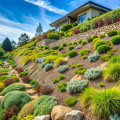
When embarking on the journey of designing a small garden, the first step is to thoroughly understand your available space. This involves not only measuring the dimensions of your garden but also considering its unique characteristics, such as the shape and any existing features like trees, fences, or pathways. By taking the time to assess these elements, you can create a more effective and harmonious garden layout that maximises every inch of your outdoor area. Another crucial aspect to consider is sunlight exposure. Different plants have varying light requirements, and understanding how sunlight moves across your garden throughout the day will help you choose the right plants for each area.
For instance, if one corner of your garden receives full sun while another remains shaded, you can strategically place sun-loving plants in the brighter spots and shade-tolerant varieties in the cooler areas. This thoughtful planning not only enhances the aesthetic appeal of your garden but also promotes healthy plant growth. Additionally, think about how you intend to use your small garden space. Will it be a tranquil retreat for relaxation, a vibrant area for entertaining guests, or perhaps a productive vegetable patch? By defining the purpose of your garden early on, you can make informed decisions about layout and plant selection that align with your vision. Remember, effective garden space planning is about creating a balance between functionality and beauty, ensuring that every element serves a purpose while contributing to an inviting atmosphere.
Choosing the Right Plants
When designing a small garden, choosing the right plants is crucial to maximise the available space while ensuring a vibrant and healthy environment.Here are some essential tips for selecting plants that will thrive in compact areas.
- Consider Size and Growth Habits: Opt for plants that have a compact growth habit. Dwarf varieties of shrubs and trees, such as Japanese maples or boxwoods, can provide structure without overwhelming the space. Additionally, consider vertical growth plants like climbing roses or sweet peas, which can add height without taking up much ground area.
- Choose Low Maintenance Plants: For those with busy lifestyles, selecting low maintenance plants is key. Perennials like lavender, sedum, and daylilies require less care and can thrive in various conditions.
Incorporating native plants can also reduce maintenance, as they are adapted to local climates and soil types.
- Diversity in Plant Selection: Mixing different types of plants can create visual interest. Combine flowering plants with foliage varieties to ensure year-round appeal. For instance, pairing hostas with astilbes can provide a lush look even in shaded areas.
- Plan for Seasonal Changes: Choose plants that offer seasonal interest. Evergreens provide structure in winter, while spring bulbs like daffodils and summer perennials like coneflowers bring colour throughout the year.
- Avoid Overcrowding: While it may be tempting to fill every inch of space, overcrowding can lead to competition for nutrients and water.
Ensure adequate spacing between plants to promote healthy growth and airflow.
Incorporating Vertical Gardening Techniques
When space is at a premium, vertical gardening techniques can transform your small garden into a lush, green oasis. By utilising vertical space, you can grow a variety of plants without sacrificing valuable ground area. Here are some effective methods to incorporate vertical gardening into your design.- Trellises: Installing trellises is one of the most popular ways to support climbing plants. These structures can be placed against walls or fences, allowing plants like sweet peas, clematis, and climbing roses to flourish upwards.
Choose trellises that complement your garden's aesthetic, whether it's rustic wood or sleek metal.
- Wall Planters: Wall-mounted planters are perfect for small spaces. They can be used to create a stunning living wall filled with herbs, succulents, or even flowers. Consider using modular systems that allow you to rearrange plants as needed, providing flexibility in your design.
- Hanging Baskets: Hanging baskets not only save space but also add visual interest at different heights. You can hang them from hooks or beams, allowing trailing plants like petunias and fuchsias to cascade beautifully.
- Vertical Garden Kits: For those new to vertical gardening, consider investing in a vertical garden kit.
These kits often come with everything you need, including planters, soil, and instructions, making it easy to get started.
Creating Focal Points and Layers
Creating visual interest in a small garden can be achieved through the strategic use of focal points and the layering of plants. These techniques not only enhance the aesthetic appeal but also make the space feel more dynamic and inviting.Establishing Focal Points
A focal point serves as an anchor for your garden design, drawing the eye and providing a sense of direction.Here are some effective ways to create focal points:
- Garden Statues or Ornaments: Incorporating a striking statue or decorative piece can serve as a captivating focal point. Choose items that resonate with your personal style and complement the overall theme of your garden.
- Water Features: A small fountain or pond can add a soothing element to your garden while acting as a natural focal point. The sound of water can also enhance the sensory experience.
- Unique Plant Specimens: Consider using a standout plant, such as a flowering tree or an unusual shrub, to draw attention. This can create a stunning visual impact, especially when placed strategically within the garden layout.
Layering Plants for Depth
Layering plants is another essential technique that adds depth and dimension to your small garden.By varying the heights and textures of your plants, you can create a more visually appealing landscape. Here are some tips for effective layering:
- Use Tall Plants at the Back: Position taller plants, such as sunflowers or hollyhocks, at the back of borders to provide height and structure.
- Mid-Height Plants: Incorporate medium-sized plants like lavender or coneflowers in the middle layer. These will fill in the space between tall and short plants, creating a seamless transition.
- Low-Growing Plants in Front: Finally, place low-growing plants such as creeping thyme or ornamental grasses at the front. This not only softens the edges but also allows for easy maintenance and access to other plants.
Remember, the key is to maintain balance and harmony while ensuring that each element contributes to the overall design aesthetic.
Utilising Hardscaping Elements
In small gardens, hardscaping plays a crucial role in defining spaces and enhancing functionality. By incorporating elements such as paths and patios, you can create a visually appealing layout that maximises the use of limited space.Garden paths
are essential for guiding visitors through your garden while also serving practical purposes. When designing paths, consider using materials like gravel, stepping stones, or permeable pavers. These options not only provide a durable surface but also allow for water drainage, which is vital in smaller areas where water pooling can be an issue.- Gravel paths: Easy to install and maintain, gravel paths can be shaped to fit your garden's layout and can be bordered with bricks or timber to keep the gravel contained.
- Stepping stones: These can create a whimsical feel in your garden.
Placing them strategically among plants can lead visitors on a journey through your green space.
- Permeable pavers: Ideal for eco-conscious gardeners, these allow rainwater to seep through, reducing runoff and promoting healthier soil.
- Multi-functional furniture: Choose foldable or stackable furniture that can be easily stored when not in use.
- Built-in seating: Incorporate benches or built-in seating around the edges of your patio to save space while providing ample seating options.
- Vertical elements: Use vertical planters or trellises to add greenery without taking up valuable ground space.
Maximising Light and Airflow
When designing a small garden, maximising light and airflow is essential for the health and vitality of your plants.In confined spaces, these elements can often be overlooked, leading to poor growth and a lack of vibrancy in your garden.
Understanding Light Requirements
Different plants have varying light requirements. Some thrive in full sun, while others prefer partial shade. To ensure your plants receive adequate sunlight:- Assess Sun Exposure: Observe your garden throughout the day to identify areas that receive the most sunlight. This will help you position sun-loving plants in the best spots.
- Choose the Right Plants: Select plants that are suited to the light conditions of your garden.
For example, if your space is predominantly shaded, consider shade-tolerant species like ferns or hostas.
- Utilise Reflective Surfaces: Incorporate light-coloured walls or surfaces that can reflect sunlight into darker areas of your garden, enhancing overall brightness.
Enhancing Airflow
Airflow is crucial for preventing diseases and promoting healthy growth. Stagnant air can lead to mould and mildew, especially in a small garden where plants are closely packed. To improve airflow:- Space Plants Wisely: Avoid overcrowding by spacing plants according to their mature size. This allows air to circulate freely around each plant.
- Prune Regularly: Regular pruning not only encourages new growth but also opens up the canopy, allowing more air to flow through.
- Create Vertical Layers: Consider vertical gardening techniques, such as trellises or wall planters, which can help increase airflow while maximising space.
Remember that a well-lit and well-ventilated garden not only looks better but also promotes healthier plant growth.
Maintenance Tips for Small Gardens
Maintaining a small garden can be both rewarding and manageable with the right approach. Here are some practical maintenance tips to ensure your garden remains healthy and vibrant throughout the seasons.- Choose Easy Care Plants: Opt for low-maintenance plants that thrive in your local climate. Consider varieties such as lavender, sedum, or ornamental grasses, which require minimal watering and care.
- Regular Weeding: Keep your garden tidy by regularly removing weeds. This not only enhances the appearance of your garden but also prevents competition for nutrients and water.
- Mulching: Apply a layer of mulch around your plants to retain moisture, suppress weeds, and regulate soil temperature.
Organic mulches, like bark chips or straw, can also improve soil quality as they decompose.
- Watering Wisely: Water your plants early in the morning or late in the evening to reduce evaporation. Consider installing a drip irrigation system for efficient watering that targets the roots directly.
- Seasonal Tasks: Stay on top of seasonal gardening tasks. In spring, focus on planting and fertilising; in summer, ensure adequate watering; during autumn, prepare your garden for winter by pruning and cleaning up debris.
Common Mistakes to Avoid in Small Garden Design
Designing a small garden can be a rewarding experience, but it’s easy to fall into common traps that can hinder your success.Here are some frequent mistakes to avoid when planning your small garden:
- Overcrowding the Space: One of the most common errors is planting too many plants in a limited area. This can lead to competition for resources and an unkempt appearance. Instead, choose a few key plants that will thrive in your garden's conditions and allow them room to grow.
- Ignoring Scale: Using oversized furniture or decorations can make a small garden feel even smaller. Opt for proportionate items that complement the space rather than overwhelm it.
- Neglecting Vertical Space: Small gardens often lack ground space, so it’s crucial to utilise vertical gardening techniques.
Incorporate trellises, wall planters, or hanging pots to maximise your planting area.
- Choosing the Wrong Plants: Selecting plants that require extensive maintenance or specific conditions can lead to frustration. Research plants that are suitable for your climate and soil type, and consider low-maintenance options that will thrive with minimal effort.
- Forgetting About Pathways: In a small garden, pathways are essential for accessibility and flow. Avoid creating narrow or convoluted paths; instead, design clear routes that enhance movement through the space.
- Lack of Focal Points: A small garden can benefit from a strong focal point, such as a sculpture or a unique plant. Without one, the space may feel disjointed.
Choose an eye-catching element that draws attention and creates visual interest.
Conclusion: Bringing Your Small Garden Vision to Life
In conclusion, designing a small garden can be a rewarding endeavour that transforms your outdoor space into a personal oasis. By implementing the tips discussed throughout this article, you can create a garden that not only maximises the available space but also reflects your unique style and preferences. Start by assessing your space and understanding the light conditions, soil type, and existing features.This foundational knowledge will guide your plant selection and layout decisions. Remember to choose plants wisely; opt for varieties that thrive in your specific environment and consider incorporating vertical elements to save ground space. Utilising layering techniques can add depth and interest to your garden. By placing taller plants at the back and shorter ones at the front, you create a visually appealing arrangement that draws the eye.
Additionally, consider using containers or raised beds to introduce different heights and textures, making your garden feel more expansive. Don’t forget about the importance of pathways and seating areas. These elements not only enhance accessibility but also encourage you to spend more time enjoying your garden. Incorporating hardscaping materials like gravel or stone can help define spaces while adding character.
Finally, remember that a small garden doesn’t mean sacrificing creativity. Embrace your vision and let it evolve over time. Regular maintenance and seasonal updates will keep your garden vibrant and engaging. By applying these tips, you can bring your small garden vision to life, creating a beautiful retreat that enhances your home and enriches your lifestyle.