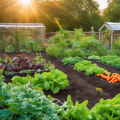
Creating a child-friendly garden is not just about aesthetics; it plays a crucial role in fostering a safe and engaging environment for children to explore and learn. In today’s digital age, where screens often dominate playtime, a well-designed garden can serve as a sanctuary that encourages outdoor play, creativity, and interaction with nature. By understanding the importance of a child-friendly garden, parents and caregivers can cultivate spaces that not only entertain but also educate. The benefits of gardening for children extend far beyond mere enjoyment. Engaging with plants and soil can enhance their physical health by promoting active play and encouraging them to develop healthy habits.
Moreover, gardening offers invaluable lessons in responsibility, as children learn to care for living things. This hands-on experience can spark curiosity about the environment, leading to a deeper appreciation for nature and sustainability. Furthermore, a child-friendly garden can be designed with safety in mind, incorporating features such as soft surfaces, non-toxic plants, and secure boundaries. This ensures that children can explore freely without the constant worry of hazards. By creating an inviting outdoor space that prioritises safety and learning, parents can help nurture their children's development while also providing them with a joyful place to play.
Designing the Layout of Your Child-Friendly Garden
Creating a child-friendly garden involves thoughtful planning and design to ensure that the space is both safe and engaging for children.The layout of your garden plays a crucial role in achieving this goal.When designing the layout, consider the following key elements:
- Space for Play: Allocate areas specifically for play activities. This could include a small lawn for running, a sandbox, or even a designated spot for outdoor games. Ensure these areas are easily accessible and visible from the house.
- Safe Pathways: Create clear, wide pathways that allow children to move freely without the risk of tripping. Use soft materials like grass or rubber mulch to cushion falls.
- Visibility: Design the garden layout so that parents can easily supervise their children.
Avoid tall plants or structures that obstruct sightlines, ensuring that you can keep an eye on little ones as they explore.
- Interactive Features: Incorporate elements that encourage exploration and learning, such as a small vegetable patch, sensory gardens with different textures and scents, or water features like a shallow pond or fountain.
- Safety First: Choose non-toxic plants and materials. Avoid thorny bushes or poisonous plants, and ensure any garden furniture is child-safe with rounded edges.
Let them choose plants or features they find exciting. This not only makes them feel included but also fosters a sense of responsibility towards their garden.By focusing on these aspects of garden layout for children, you can create a safe and stimulating environment that encourages outdoor play and exploration.
Choosing Safe Plants and Materials
Creating a child-friendly garden involves careful consideration of the plants and materials you choose. Ensuring that your garden is a safe haven for children means selecting non-toxic plants and using child-friendly materials for any garden features.Safe Plants for Children
When selecting plants, it’s essential to opt for those that are safe for children. Here are some non-toxic garden plants that can thrive in various conditions:- Sunflowers: Bright and cheerful, sunflowers are not only safe but also attract pollinators.
- Marigolds: These vibrant flowers are easy to grow and can deter pests naturally.
- Snapdragons: With their unique shape, snapdragons are fun for children to play with and completely safe.
- Basil: This aromatic herb is not only safe but can also be used in cooking, making it a practical choice.
- Pansies: Known for their colourful blooms, pansies are non-toxic and can add beauty to any garden.
Selecting Child-Friendly Materials
In addition to choosing safe plants, the materials used in your garden should also be considered.Here are some tips for selecting child-friendly materials:
- Avoid toxic chemicals: When treating wood or using paints, ensure they are free from harmful chemicals. Look for non-toxic, eco-friendly options.
- Soft surfaces: Use mulch or grass in play areas to cushion falls and prevent injuries.
- Natural stones: If incorporating stones or gravel, choose smooth, rounded stones to avoid sharp edges.
- Non-slip pathways: Ensure that any pathways are made from materials that provide good traction to prevent slips and falls.
Incorporating Play Areas and Features
Creating a child-friendly garden involves integrating various play areas and features that not only entertain but also stimulate children's imagination and physical activity. Here are some ideas to consider:- Sandpits: A classic addition to any garden, sandpits provide endless fun for children. They can be designed with safety in mind, using non-toxic materials and ensuring they are shaded to protect little ones from the sun.
- Climbing Frames: These structures encourage physical activity and help develop strength and coordination.
Choose frames that are age-appropriate and made from durable materials to withstand the elements.
- Water Features: Incorporating a small water play area, such as a splash pool or a water table, can be a fantastic way for children to cool off during warmer months. Ensure that any water feature is safe and supervised.
- Outdoor Play Equipment: Consider adding swings, slides, or even a treehouse. These features can be tailored to fit the size of your garden while providing hours of entertainment.
- Nature Trails: Create a small path through your garden using stones or wood chips. This can lead to different play areas and encourage exploration of the natural environment.
Ensure that all equipment is installed correctly and that the ground beneath is soft enough to cushion any falls. Additionally, incorporating natural elements like plants and flowers can enhance the aesthetic appeal while providing sensory experiences for children.By thoughtfully integrating these garden features for kids, you can create an engaging outdoor space that promotes play, learning, and creativity.
Creating Educational Opportunities in the Garden
Transforming your garden into a learning environment can be an enriching experience for children. By engaging them in educational gardening activities, you can instil a sense of responsibility and a deeper understanding of nature.1.Planting and Growing:
Start with simple projects like planting seeds. Choose fast-growing plants such as radishes or sunflowers, which can provide instant gratification.
As children observe the growth process, they learn about the life cycle of plants, including germination, growth, and flowering.
2.Nature Scavenger Hunts:
Organise scavenger hunts that encourage children to explore different plants, insects, and wildlife in the garden. Create a list of items for them to find, such as specific leaves, flowers, or even types of soil. This activity not only makes learning fun but also enhances their observational skills.
3.Composting:
Introduce children to the concept of composting by setting up a small compost bin. Teach them about the importance of recycling organic waste and how it benefits the garden.
This hands-on activity fosters a sense of responsibility towards the environment.
4.Cooking with Garden Produce:
Once your plants are ready for harvest, involve children in cooking meals using the produce they’ve grown. This not only teaches them about healthy eating but also connects them to the food they consume, making them more likely to appreciate fruits and vegetables.
5.Wildlife Habitats:
Encourage children to create habitats for local wildlife by building birdhouses or insect hotels. This project teaches them about biodiversity and the importance of every creature in the ecosystem.By incorporating these gardening as a learning tool activities into your garden, you can create a space that is not only child-friendly but also rich in educational opportunities. Children will develop a love for nature while gaining valuable life skills that extend beyond the garden.
Maintaining a Child-Friendly Garden
Creating a child-friendly garden is not just about planting flowers and vegetables; it also involves ongoing maintenance to ensure safety and enjoyment for your little ones.Here are some essential tips for maintaining a garden that is both beautiful and safe for children.
Garden Maintenance Tips for Families
- Regular Inspections: Conduct weekly checks for any hazards such as sharp tools, broken branches, or poisonous plants. This proactive approach helps prevent accidents.
- Safe Plant Choices: Opt for non-toxic plants and avoid thorny varieties. Consider including edible plants that children can safely interact with, such as strawberries or cherry tomatoes.
- Secure Storage: Keep gardening tools, chemicals, and equipment locked away in a shed or storage box to prevent children from accessing them.
Keeping Gardens Safe for Kids
- Soft Surfaces: Use mulch, grass, or rubber mats in play areas to cushion falls and create a safe environment for children to play.
- Fencing: Install a secure fence around the garden to keep children safe from wandering off and to protect them from any nearby roads.
- Water Features: If you have ponds or water features, ensure they are securely covered or fenced off to prevent accidents.
Seasonal Garden Care
Each season brings unique challenges and opportunities for maintaining a child-friendly garden:- Spring: This is the perfect time to plant new flowers and vegetables. Involve your children in planting seeds and watering them, teaching them about nature.
- Summer: Regularly check for pests and weeds.
Encourage kids to help with weeding, making it a fun game to see who can find the most!
- Autumn: Rake leaves together and create piles for jumping. This not only keeps the garden tidy but also provides fun activities for children.
- winter: Protect plants from frost by covering them with mulch. Use this time to teach kids about the importance of plant care during colder months.
FAQs About Creating a Child-Friendly Garden
Creating a child-friendly garden involves careful planning and consideration.Here are some frequently asked questions that can help guide you in making your garden a safe and enjoyable space for children.
What are the best plants for a child-friendly garden?
When selecting plants, opt for non-toxic varieties that are safe for children. Some excellent choices include:- Sunflowers - Tall and cheerful, they can also be used for crafts.
- Marigolds - Bright and easy to grow, these flowers deter pests.
- Strawberries - A fun fruit to pick and eat straight from the garden.
- Herbs - Such as mint or basil, which can be used in cooking.
How can I ensure safety in my garden?
Safety is paramount when creating a garden for children. Here are some tips:- Install fencing around the garden to keep children safe from any hazards.
- Avoid using chemical pesticides and herbicides; instead, opt for organic gardening methods.
- Create clear pathways using soft materials, such as mulch or grass, to prevent slips and falls.
What activities can children do in the garden?
A child-friendly garden should encourage exploration and creativity. Consider incorporating:- A sensory area with different textures, scents, and colours.
- A small , where children can learn about growing their own food.
- A designated play area, complete with safe equipment like a sandbox or climbing frame.
Conclusion: The Joy of Gardening with Children
Creating a child-friendly garden is not just about aesthetics; it’s about fostering a love for nature and encouraging children to engage with the environment.Throughout this article, we have explored various strategies to design a garden that is both safe and stimulating for children.By incorporating elements such as soft pathways, edible plants, and interactive features, you can create a space that invites exploration and play. The use of sensory plants, such as those with interesting textures or fragrant flowers, can enhance the experience, making gardening an exciting adventure for young ones.Moreover, involving children in the gardening process teaches them valuable life skills. They learn about responsibility through caring for plants, patience as they wait for seeds to grow, and the importance of sustainability by understanding where their food comes from. These lessons are invaluable in today’s fast-paced world.In conclusion, a child-friendly garden is a gateway to numerous benefits.
It promotes physical activity, encourages creativity, and strengthens family bonds through shared activities. As you embark on this gardening journey with your children, remember that the joy of gardening lies not only in the end result but also in the experiences and memories created along the way.So gather your tools, involve your little ones, and transform your outdoor space into a vibrant haven where both children and nature can thrive together.