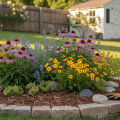
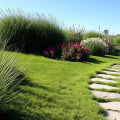
In today's fast-paced world, the concept of low-maintenance gardening has gained significant traction among homeowners and gardening enthusiasts alike. This approach not only simplifies the gardening process but also allows individuals to enjoy the beauty of their outdoor spaces without the constant demands of traditional gardening. By understanding the principles behind low-maintenance gardens, you can create a serene environment that requires minimal upkeep while still providing aesthetic appeal. The benefits of low-maintenance gardens are manifold. Firstly, they save time and effort, allowing you to spend more moments enjoying your garden rather than labouring in it.
Additionally, these gardens often utilise native plants and sustainable practices, which can lead to reduced water usage and lower maintenance costs. This eco-friendly approach not only supports local wildlife but also contributes to a healthier environment. When designing a low-maintenance garden, it is essential to consider key garden design principles. These include selecting the right plants that thrive in your local climate, incorporating hardscaping elements like pathways and patios to reduce lawn areas, and planning for seasonal changes to ensure year-round interest. By embracing these principles, you can cultivate a garden that not only meets your aesthetic desires but also aligns with your lifestyle needs.
Choosing the Right Plants
Creating a low-maintenance garden begins with choosing the right plants.Selecting species that thrive in your local climate and require minimal care can significantly reduce the time and effort needed to maintain your garden.
Best Low-Maintenance Plants
When considering low-maintenance options, look for plants that are hardy and resilient. Some of the best choices include:- Lavender: This fragrant herb not only adds beauty but also attracts pollinators and is drought-resistant.
- Sedum: A succulent that thrives in poor soil conditions, sedum requires little water and is perfect for rock gardens.
- Daylilies: Known for their vibrant blooms, daylilies are adaptable and can flourish in various soil types.
- Ornamental grasses: These plants add texture and movement to your garden while needing minimal upkeep.
Drought-Resistant Plants
Drought-resistant plants are essential for a low-maintenance garden, especially in areas prone to dry spells. Consider incorporating:- Agave: This striking succulent is not only drought-tolerant but also adds a dramatic flair to any landscape.
- Russian sage: With its silvery foliage and purple flowers, this plant thrives in dry conditions and requires little watering.
- Echinacea (Coneflower): A native wildflower that attracts butterflies and is highly drought-resistant.
Native Plants for Gardens
Utilising native plants is one of the best strategies for creating a sustainable garden. Native species are adapted to local conditions, making them easier to care for.They typically require less water, fertiliser, and pest control. Some excellent native options include:
- Black-eyed Susan: A cheerful flower that thrives in various soil types and attracts pollinators.
- Wild geranium: This perennial offers beautiful blooms with minimal care requirements.
- Butterfly bush: Known for attracting butterflies, this shrub is hardy and requires little maintenance once established.
Soil Preparation and Maintenance
Creating a low-maintenance garden begins with understanding the importance of soil quality. Healthy soil is the foundation for thriving plants, and investing time in soil preparation can significantly reduce the effort needed for ongoing maintenance.Soil Types for Low-Maintenance Gardens
- Clay Soil: Retains moisture well but can be heavy. Amending with organic matter can improve drainage and aeration.
- Sandy Soil: Drains quickly but may lack nutrients.
Adding compost can enhance its fertility and moisture retention.
- Silty Soil: Rich in nutrients and retains moisture, making it ideal for many plants. Regularly adding organic matter can maintain its health.
- Test Your Soil: Conduct a soil test to determine pH levels and nutrient content. This will guide your amendments.
- Add Organic Matter: Incorporate compost or well-rotted manure to improve soil structure, fertility, and moisture retention.
- Mulch: Apply a layer of mulch to suppress weeds, retain moisture, and gradually enrich the soil as it breaks down.
Improving Garden Soil Health
Maintaining healthy soil is crucial for a low-maintenance garden. Here are some tips:
- Avoid Over-Tilling: Excessive tilling can disrupt soil structure and harm beneficial organisms.
- Rotate Crops: Changing the location of your plants each year can prevent nutrient depletion and reduce pest issues.
- Cover Crops: Planting cover crops during the off-season can enhance soil health by preventing erosion and adding nutrients when turned into the soil.
Efficient Watering Techniques
Creating a low-maintenance garden requires efficient watering techniques that not only conserve water but also reduce the time spent on garden upkeep.Two of the most effective methods are drip irrigation and rainwater harvesting.
Drip Irrigation
Drip irrigation is a highly efficient watering system that delivers water directly to the roots of plants. This method minimizes evaporation and runoff, ensuring that your plants receive the moisture they need without wasting water. Here are some key benefits of drip irrigation:- Targeted Watering: Water is delivered precisely where it’s needed, reducing the risk of overwatering and promoting healthier root systems.
- Time-Saving: Once installed, drip systems require minimal maintenance and can be automated with timers, freeing up your time for other gardening tasks.
- Weed Control: By watering only the plants, you limit moisture in surrounding areas, which helps to suppress weed growth.
Rainwater Harvesting
Another excellent technique for a low-maintenance garden is rainwater harvesting. This sustainable practice involves collecting rainwater from roofs and directing it into storage tanks for later use.Here’s why rainwater harvesting is beneficial:
- Cost-Effective: Using harvested rainwater reduces your reliance on municipal water supplies, leading to lower water bills.
- Environmental Impact: Collecting rainwater helps to reduce stormwater runoff, which can lead to erosion and pollution in local waterways.
- Nutrient-Rich Water: Rainwater is naturally soft and free from chemicals found in tap water, making it ideal for nourishing your plants.
Mulching and Ground Cover Options
Mulching is a highly effective technique in creating a low-maintenance garden. By applying a layer of organic or inorganic material on the soil surface, you can significantly reduce weed growth and conserve moisture. This not only saves you time on weeding but also helps maintain a consistent soil temperature, which is beneficial for plant health.Benefits of Mulching
- Weed Suppression: A thick layer of mulch can block sunlight from reaching weed seeds, preventing them from germinating.
- Moisture Retention: Mulch helps to retain soil moisture by reducing evaporation, meaning less frequent watering is required.
- Soil Improvement: Organic mulches, such as wood chips or straw, decompose over time, enriching the soil with nutrients.
- Temperature Regulation: Mulch acts as an insulator, keeping the soil cooler in summer and warmer in winter.
Ground cover plants spread across the soil, effectively suppressing weeds while adding beauty and texture to your landscape. Some popular options include:
- Creeping Thyme: A fragrant option that thrives in sunny areas and attracts pollinators.
- Ajuga (Bugleweed): Known for its vibrant flowers and ability to thrive in shade.
- Pachysandra: An evergreen ground cover that works well in shady spots.
How to Mulch a Garden Effectively
- Prepare the Soil: Remove any weeds or debris from the area you wish to mulch.
- Select Your Mulch: Choose between organic options like bark chips or inorganic options like gravel based on your garden's needs.
- Apply the Mulch: Spread a layer of mulch 5-10 cm thick around your plants, ensuring it does not touch the stems directly to prevent rot.
- Maintain Regularly: Check your mulch layer periodically and replenish it as needed to maintain its effectiveness.
Designing Your Garden Layout
Creating a low-maintenance garden begins with thoughtful designing your garden layout. A well-planned layout not only enhances the visual appeal of your outdoor space but also reduces the time and effort required for upkeep. Here are some effective strategies to consider:- Choose the Right Plants: Opt for drought-resistant and native plants that thrive in your local climate.
These plants typically require less water and care, making them ideal for a low-maintenance garden.
- Group Plants Wisely: Arrange plants with similar water and sunlight needs together. This grouping allows for more efficient watering and care, reducing the overall maintenance time.
- Incorporate Hardscaping: Use materials like stone, gravel, or paving to create pathways and borders. Hardscaping elements can significantly reduce the area that needs to be planted and maintained.
- Utilise Mulch: Applying a layer of mulch around your plants helps retain moisture, suppress weeds, and improve soil quality. This simple addition can save you hours of weeding and watering.
- Design for Accessibility: Ensure that your garden layout allows easy access for maintenance tasks.
Wide paths and strategically placed seating areas can make it easier to enjoy your garden without extensive upkeep.
Incorporating Hardscaping Elements
Incorporating hardscaping elements into your garden design is an effective way to create a low-maintenance landscape. Hardscaping refers to the non-plant features of your garden, such as patios, pathways, and retaining walls, which can significantly reduce the amount of upkeep required.Hardscaping ideas for gardens
can vary widely, allowing you to tailor your outdoor space to your personal style and functional needs.Here are some popular options:
- Patios: A well-constructed patio provides a durable surface for outdoor furniture and activities, reducing the need for lawn maintenance.
- Pathways: Using materials like gravel, stone, or pavers for pathways not only enhances the aesthetic appeal but also minimizes soil compaction and weed growth.
- Retaining Walls: These structures can help manage soil erosion while creating distinct levels in your garden, making it easier to maintain.
- Decking: Wooden or composite decking can serve as a low-maintenance alternative to grass, providing a clean area for relaxation and entertainment.
- Reduce Water Usage: Hardscaped areas require no watering, helping conserve water resources.
- Minimise Weeding: With less soil exposed, there are fewer opportunities for weeds to take root.
- Enhance Accessibility: Well-designed hardscaping can make your garden more accessible for all ages and abilities.
Pest Management Strategies
Creating a low-maintenance garden involves implementing effective pest management strategies that minimise the need for constant intervention.By focusing on natural pest control methods, you can protect your plants while promoting a healthy ecosystem.One of the most effective ways to keep pests away from your plants is to encourage beneficial insects. Ladybirds , lacewings , and parasitic wasps are natural predators of common garden pests like aphids and caterpillars. You can attract these helpful insects by planting a variety of flowers, such as dill, yarrow, and marigolds, which provide nectar and pollen.Another strategy is to use physical barriers.
Row covers
, for instance, can protect young plants from insect damage while allowing sunlight and moisture to penetrate.Additionally, installing netting around fruit-bearing plants can deter birds and larger pests.
Companion planting
is also a valuable technique in pest management. Certain plants can repel pests or enhance the growth of their neighbours. For example, planting basil near tomatoes can help ward off tomato hornworms, while nasturtiums can attract aphids away from more valuable crops.If you do encounter pest issues, consider using homemade remedies. A simple solution of water mixed with a few drops of dish soap can effectively control soft-bodied insects like aphids without harming beneficial species.
Always test any solution on a small area first to ensure it does not damage your plants.Finally, maintaining healthy soil through regular composting and mulching will strengthen your plants' resilience against pests. Healthy plants are less susceptible to infestations, reducing the need for chemical interventions.By integrating these pest management strategies, you can create a thriving garden that requires minimal upkeep while remaining free from harmful pests.
Seasonal Maintenance Tips
Creating a low-maintenance garden doesn't mean neglecting it entirely; rather, it involves understanding the seasonal gardening tasks that can keep your garden thriving with minimal effort. Here’s a guide to help you manage your garden care throughout the year.Spring: Preparation and Planting
As the weather warms up, it's time to prepare your garden for the growing season. Focus on:- Weeding: Remove any weeds that have emerged during the winter months to prevent them from competing with your plants.
- Mulching: Apply a layer of mulch around your plants to retain moisture and suppress weeds.
- Planting: Choose hardy perennials and drought-resistant plants that require less water and care.
Summer: Watering and Monitoring
During the hot summer months, maintaining moisture is crucial.Consider these tips:
- Irrigation: Install a drip irrigation system to ensure efficient watering without over-saturating your plants.
- Pest Control: Regularly check for pests and diseases. Use organic solutions to manage any infestations without harsh chemicals.
- Deadheading: Remove spent flowers to encourage new blooms and maintain a tidy appearance.
Autumn: Cleanup and Preparation for Winter
As the growing season winds down, focus on preparing your garden for winter:- Pruning: Trim back any overgrown plants and remove dead foliage to prevent disease.
- Composting: Add fallen leaves and plant debris to your compost pile, enriching your soil for next spring.
- Covering: Use protective covers for delicate plants to shield them from frost.
winter: Rest and Planning
The winter months are a time for rest, but you can still engage in some light maintenance:- Tool Maintenance: Clean and sharpen your gardening tools to prepare for the upcoming season.
- Planning: Take this time to plan your garden layout for next year, considering new plants or changes you want to make.
Conclusion: Embracing Low-Maintenance Gardening for a Beautiful Outdoor Space
In conclusion, adopting a low-maintenance gardening approach not only simplifies your outdoor space but also enhances its beauty and sustainability. By implementing the strategies discussed throughout this article, you can create a garden that thrives with minimal effort. To recap, here are the key points to consider:- Choose native plants that are well-adapted to your local climate and soil conditions, reducing the need for excessive watering and care.
- Incorporate perennials instead of annuals, as they return year after year, saving you time and money on replanting.
- Utilise mulching to suppress weeds, retain moisture, and improve soil health, which ultimately leads to less maintenance.
- Design your garden layout with hardscaping elements such as paths and patios to reduce the area that requires regular upkeep.
- Implement an efficient irrigation system, like drip irrigation, to ensure your plants receive the right amount of water without constant monitoring.
Start small, experiment with different techniques, and watch as your garden flourishes with minimal intervention. Your journey towards a beautiful, low-maintenance garden begins today. Take the first step by planning your space thoughtfully and selecting the right plants that will thrive in harmony with your lifestyle.