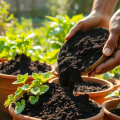
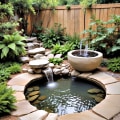
Gardening and landscaping are not just hobbies; they are a way to connect with nature and enhance the beauty of our surroundings. To achieve stunning results, having the right gardening tools and landscaping tools is essential. These tools not only make the tasks easier but also ensure that your efforts yield the best possible outcomes. Whether you are a seasoned gardener or a novice looking to cultivate your first flower bed, understanding the importance of essential gardening equipment can significantly impact your outdoor maintenance experience. The right tools can transform a daunting task into an enjoyable one. Gardening and landscaping are not just hobbies; they are a way to connect with nature and enhance the beauty of our surroundings. To achieve stunning results, having the right gardening tools and landscaping tools is essential. These tools not only make the tasks easier but also ensure that your efforts yield the best possible outcomes. Whether you are a seasoned gardener or a novice looking to cultivate your first flower bed, understanding the importance of essential gardening equipment can significantly impact your outdoor maintenance experience. The right tools can transform a daunting task into an enjoyable one.
For instance, using a high-quality spade can make digging and planting much more efficient, while a reliable pair of pruning shears can help maintain the health and aesthetics of your plants. As you delve deeper into the world of gardening and landscaping, you will discover that each tool serves a specific purpose, designed to tackle various challenges that arise in maintaining a garden or landscape. Moreover, investing in quality tools can save you time and effort in the long run. With the right equipment at your disposal, you can focus more on creativity and less on the labour-intensive aspects of gardening. In the following sections, we will explore a range of tools that every gardener and landscaper should consider adding to their toolkit, ensuring that you are well-equipped to bring your outdoor visions to life.
Basic Gardening Tools Every Gardener Should Have
When embarking on your gardening journey, having the right tools is crucial for success.Here are some basic gardening tools that every gardener should consider essential:
- Trowel: This small hand tool is perfect for digging, planting, and transferring soil. A sturdy trowel allows you to work efficiently in tight spaces and is indispensable for planting bulbs and seedlings.
- Pruners: Also known as secateurs, pruners are vital for maintaining the health of your plants. They are used to trim dead or overgrown branches, promoting better growth and flowering. A good pair of pruners can make all the difference in keeping your garden tidy.
- Garden Fork: Ideal for breaking up soil and turning compost, a garden fork helps aerate the ground, making it easier for roots to penetrate.
This tool is particularly useful when preparing new beds or revitalising existing ones.
- Hand Rake: A hand rake is perfect for gathering leaves and debris from your garden beds. It helps keep your space clean and encourages healthy plant growth by preventing the buildup of organic matter that can harbour pests.
- Gloves: Protecting your hands is essential when gardening. A good pair of gloves not only shields your skin from thorns and sharp objects but also provides a better grip on tools, making your gardening tasks more comfortable.
Landscaping Tools for Professional Results
When it comes to achieving a polished look in your garden, having the right landscaping tools is essential.These tools not only enhance the efficiency of your work but also ensure that the final results meet professional standards. Below are some of the key tools that every landscaper should consider.
- Shovels: A sturdy shovel is indispensable for digging, planting, and moving soil. Look for a pointed shovel for breaking ground and a flat shovel for transferring materials.
- Rakes: Rakes come in various types, including landscape rakes and bow rakes. A landscape rake is perfect for leveling soil and spreading mulch, while a bow rake is ideal for breaking up compacted soil.
- Edgers: To create clean lines between your garden beds and pathways, a good edger is crucial.
Manual edgers are great for precision work, while powered edgers can save time on larger projects.
- Pruners: For maintaining shrubs and plants, a pair of sharp pruners will help you achieve clean cuts, promoting healthy growth and aesthetics.
- Wheelbarrows: Transporting soil, plants, and other materials becomes much easier with a wheelbarrow. Choose one with a comfortable grip and sturdy construction to handle heavy loads.
By utilising these tools effectively, you can transform any outdoor space into a beautifully manicured landscape that reflects your vision.
Power Tools for Efficient Gardening and Landscaping
When it comes to efficient gardening and landscaping, investing in the right power tools can make a significant difference. These tools not only save time but also reduce the physical strain associated with manual gardening tasks. Here are some essential power tools that every gardener and landscaper should consider:- Lawnmowers: A quality lawnmower is indispensable for maintaining a neat and healthy lawn. Options range from push mowers for smaller gardens to ride-on mowers for larger areas.
Electric and battery-operated models are becoming increasingly popular due to their ease of use and lower environmental impact.
- Hedge Trimmers: Keeping hedges and shrubs in shape is much easier with a power hedge trimmer. These tools allow for precise cuts and can handle thicker branches than manual trimmers, making them ideal for larger landscaping projects.
- Tillers: For those looking to cultivate soil, a tiller is an essential piece of equipment. It breaks up hard soil, making it easier to plant seeds and establish new garden beds. Electric tillers are particularly user-friendly and suitable for smaller plots.
- Leaf Blowers: Maintaining a tidy garden often involves clearing leaves and debris.
A leaf blower can quickly clear large areas, saving time compared to raking by hand. Many models are lightweight and easy to manoeuvre, making them perfect for regular garden maintenance.
- String Trimmers: Also known as weed eaters, string trimmers are perfect for reaching areas that lawnmowers cannot, such as around flower beds and fences. They come in various styles, including electric and gas-powered options, catering to different garden sizes and needs.
Specialty Tools for Specific Gardening Tasks
When it comes to gardening and landscaping, having the right tools can make all the difference.Specialty tools are designed to address specific tasks, ensuring that your gardening efforts are both efficient and effective. Here are some essential tools that cater to unique needs in your garden:
- Soil Testers: Understanding the quality of your soil is crucial for successful gardening. Soil testers help you determine pH levels and nutrient content, allowing you to amend your soil appropriately. This ensures that your plants receive the right balance of nutrients for optimal growth.
- Plant Supports: For plants that require extra stability, such as tomatoes or climbing vines, plant supports like stakes, cages, and trellises are invaluable.
These tools not only help keep plants upright but also promote better air circulation and sunlight exposure.
- Irrigation Systems: Efficient watering is key to maintaining a healthy garden. Drip irrigation systems deliver water directly to the roots of plants, reducing waste and ensuring that each plant receives adequate moisture. This is especially beneficial in larger landscapes where manual watering can be time-consuming.
- Weed Barriers: To combat unwanted weeds, consider using landscape fabric or biodegradable mulch. These barriers suppress weed growth while allowing water and nutrients to reach the soil, making them a practical choice for flower beds and vegetable gardens.
- Garden Forks: A garden fork is essential for breaking up compacted soil and aerating it.
This tool is particularly useful when preparing new planting areas or revitalising existing ones.
Maintenance and Care of Gardening Tools
Maintaining and caring for your gardening tools is essential for ensuring their longevity and optimal performance. Proper maintenance not only extends the life of your tools but also enhances your gardening experience by making tasks easier and more efficient.Regular Cleaning
- After each use, clean your tools to remove soil, sap, and other residues. A simple wash with warm soapy water followed by a rinse will suffice.
- For stubborn dirt, use a wire brush or a putty knife to scrape off any build-up.
- Dry your tools thoroughly to prevent rust, especially on metal parts.
Sharpening Blades
- Keep cutting tools like pruners and hoes sharp.
Dull blades can damage plants and require more effort to use.
- Use a sharpening stone or file to maintain the edge of your tools. Regular sharpening will ensure clean cuts and promote healthy plant growth.
Rust Prevention
- To prevent rust, apply a light coat of oil (such as vegetable or motor oil) to metal surfaces after cleaning. This creates a protective barrier against moisture.
- Store tools in a dry place, ideally in a shed or garage, away from direct exposure to rain or humidity.
Storage Solutions
- Organise your tools using racks, hooks, or pegboards. This not only saves space but also prevents damage from being piled on top of one another.
- Consider using toolboxes or bags for smaller items to keep them together and easily accessible.
Routine Inspections
- Regularly inspect your tools for any signs of wear or damage.
Look for cracks in handles or loose screws that may need tightening.
- If you notice any issues, address them promptly to avoid further damage and ensure safety during use.
FAQs About Gardening and Landscaping Tools
When it comes to gardening and landscaping, having the right tools can make all the difference. Here are some frequently asked questions that can help clarify your understanding of essential tools in this field.What are the most essential gardening tools?
Some of the most essential gardening tools include:- Hand trowel: Perfect for digging small holes and transplanting seedlings.
- Pruning shears: Ideal for trimming and shaping plants.
- Garden fork: Useful for turning soil and aerating garden beds.
- Watering can: Essential for providing hydration to your plants.
- Gloves: Protect your hands while working in the garden.
How do I choose the right landscaping tools?
Selecting the right landscaping tools depends on the specific tasks you plan to undertake. Consider the following:- Task requirements: Identify what you need to accomplish, whether it's planting, mowing, or edging.
- Tool quality: Invest in durable tools that will withstand regular use.
- Ergonomics: Choose tools that are comfortable to hold and use, especially for extended periods.
What common mistakes should I avoid with gardening tools?
Avoiding common mistakes can prolong the life of your tools and enhance your gardening experience:- Neglecting maintenance: Regularly clean and sharpen your tools to keep them in good condition.
- Using the wrong tool for the job: Always use the appropriate tool to prevent damage to plants and ensure efficiency.
- Storing tools improperly: Store your tools in a dry place to prevent rust and deterioration.
Conclusion: Choosing the Right Tools for Your Garden and Landscape Needs
In conclusion, selecting the right tools for your gardening and landscaping projects is crucial for achieving the best results.The right equipment not only enhances efficiency but also ensures that your efforts yield a thriving garden or landscape. Throughout this article, we have explored various essential tools that cater to different gardening and landscaping needs, from basic hand tools to more advanced machinery.When choosing tools, consider the following key factors:
- Functionality: Ensure that the tools you select are suitable for the specific tasks you plan to undertake. For instance, a pruning shear is essential for maintaining shrubs, while a lawn mower is necessary for keeping your grass in check.
- Quality: Invest in high-quality tools that will withstand regular use. Durable materials and ergonomic designs can significantly enhance your gardening experience.
- Comfort: Tools that are comfortable to use can prevent fatigue and injury.
Look for options with padded grips and lightweight designs.
- Storage: Consider how you will store your tools. A well-organised shed or garage can prolong the life of your equipment and keep everything easily accessible.