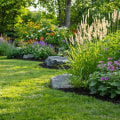
Hardscaping refers to the non-plant elements of landscape design, encompassing features such as patios, walkways, retaining walls, and other structures that provide functionality and aesthetic appeal to outdoor spaces. Unlike traditional landscaping, which focuses primarily on the planting of trees, shrubs, and flowers, hardscaping integrates durable materials like stone, concrete, and wood to create a cohesive environment. This blend of hard and soft elements not only enhances the visual interest of a garden but also plays a crucial role in its overall functionality.The benefits of hardscaping are manifold. Firstly, it can significantly reduce maintenance requirements by minimising the need for regular lawn care and plant upkeep.
Hardscaped areas are often more resilient to weather changes, providing a stable surface that can withstand heavy foot traffic and adverse conditions. Additionally, incorporating hardscaping can improve drainage in your garden, preventing water accumulation that could harm plants or lead to erosion. Furthermore, well-designed hardscaping can create defined spaces for relaxation or entertainment, making your outdoor area more inviting and usable.When comparing hardscaping to traditional landscaping, it’s essential to understand that both elements work in harmony to create a balanced outdoor environment. While landscaping focuses on the organic aspects of a garden, hardscaping provides the structural backbone that supports these living elements.
By thoughtfully integrating both components, homeowners can achieve a landscape that is not only beautiful but also practical and sustainable.
Key Elements of Hardscaping
When considering hardscaping for your landscape design, it’s essential to explore the various materials and features that can enhance both functionality and aesthetics. Hardscaping refers to the non-plant elements of your garden, which can significantly influence the overall look and usability of your outdoor space.Types of Hardscaping Features
- Patios: These are flat surfaces typically made from materials like stone, brick, or concrete. Patios serve as excellent areas for outdoor dining and relaxation.
- Walkways: Pathways made from pavers, gravel, or flagstone guide visitors through your garden while adding structure to the landscape.
- Retaining Walls: These walls are crucial for managing soil erosion and can also create tiered garden beds, adding depth to your landscape.
- Decks: Wooden or composite decks extend your living space outdoors, providing a perfect spot for entertaining or enjoying the sun.
- Fire Pits: A popular feature for social gatherings, fire pits can be constructed from stone or metal and serve as a focal point in your garden.
Hardscaping Materials
The choice of materials is vital in achieving the desired look and durability of your hardscape elements. Here are some common options:- Natural Stone: This includes granite, limestone, and slate, offering a timeless appeal and unique textures.
- Pavers: Available in various shapes, sizes, and colours, pavers are versatile and can be used for patios and walkways.
- Concrete: A cost-effective option that can be stamped or stained to mimic more expensive materials while providing durability.
- Brick: Known for its classic look, brick is often used in pathways and patios, providing a warm aesthetic.
By carefully selecting the right materials and features, you can create a cohesive outdoor space that meets your needs while reflecting your personal style.
Designing with Hardscaping: Tips and Techniques
Incorporating hardscaping into your landscape design can significantly enhance both the aesthetic appeal and functionality of your outdoor space. Here are some practical hardscaping design tips to consider:- Define Spaces: Use hardscaping elements like patios, walkways, and retaining walls to create distinct areas within your garden. This helps in organising the space and can guide movement through your landscape.
- Choose Complementary Materials: Select materials that harmonise with your existing landscape. For instance, natural stone can blend beautifully with a lush garden, while concrete may suit a modern design.
- Incorporate Levels: Adding different levels through steps or raised beds can create visual interest and make your garden feel more dynamic.
This technique is particularly effective in sloped areas.
- Use Hardscape for Functionality: Consider how hardscaping can serve practical purposes. For example, a well-placed bench or a fire pit can become focal points that encourage outdoor living.
- Circular Patios: A circular patio can serve as a gathering spot, surrounded by seating and plants, creating an inviting atmosphere.
- Pathways with Curves: Instead of straight lines, opt for curved pathways that mimic natural forms, making the journey through your garden more engaging.
- Water Features: Incorporate hardscaping around water features like ponds or fountains.
Use stone or tile to create borders that enhance the overall look.
Combining Hardscaping with Soft Landscaping
Incorporating hardscaping into your landscape design is not just about adding structure; it’s about creating a harmonious relationship between hard and soft elements. To achieve this balance, consider the following strategies:- Define Spaces: Use hardscaping features such as patios, walkways, and retaining walls to define different areas of your garden. This creates a clear structure that can be complemented by soft landscaping elements like flower beds and shrubs.
- Choose Complementary Materials: Select hardscape materials that harmonise with the natural surroundings. For instance, using natural stone or timber can create a seamless transition between hard and soft elements, enhancing the overall aesthetic.
- Layering: Layering is key to blending hardscape with plants.
For example, raised beds can be constructed from stone or wood, allowing for vibrant plants to spill over the edges, softening the hard lines.
- Incorporate Pathways: Pathways made from gravel or pavers can guide visitors through your garden while providing a contrast to lush greenery. Consider planting low-growing plants along the edges to soften the transition.
- Use Hardscape as a Backdrop: Position hardscaping features like trellises or fences behind flowering plants or climbing vines. This not only provides support for the plants but also creates a stunning visual backdrop.
Remember, the goal is to create a cohesive look that draws the eye and invites exploration.
Maintenance Considerations for Hardscaped Areas
Maintaining hardscaped areas is essential for preserving their beauty and functionality over time. Proper care not only enhances the aesthetic appeal of your landscape but also extends the longevity of the materials used. Here are some hardscape maintenance tips to consider:- Regular Cleaning: Keep hardscaped surfaces free from debris, leaves, and dirt. Use a broom or leaf blower for routine cleaning, and consider pressure washing stone or concrete surfaces annually to remove stubborn stains.
- Weed Control: Weeds can infiltrate joints and cracks in hardscaping.
Regularly inspect these areas and use appropriate weed control methods, such as hand-pulling or applying mulch to suppress growth.
- Sealing Surfaces: Depending on the material, sealing can protect against moisture damage and staining. For instance, natural stone and pavers benefit from a sealant that prevents water absorption and enhances colour.
- Repairing Damage: Promptly address any cracks or chips in hardscaped areas. For concrete, use a patching compound; for pavers, replace damaged units to maintain a cohesive look.
- Natural Stone: Requires gentle cleaning solutions to avoid etching. Regular sealing is crucial for longevity.
- Concrete: Can be susceptible to cracking in extreme weather.
Ensure proper drainage to prevent water pooling.
- Brick Pavers: Should be regularly swept and may need re-sanding of joints to prevent shifting.
Cost Considerations When Incorporating Hardscaping
When planning to incorporate hardscaping into your landscape design, understanding the cost considerations is essential. Hardscaping can vary significantly in price depending on the materials used, the complexity of the design, and the size of the area being transformed.Cost of Hardscaping
- Materials: The choice of materials plays a crucial role in determining costs. Natural stone, for instance, tends to be more expensive than concrete or brick.
However, it offers a unique aesthetic that can enhance your garden's appeal.
- Labour: Hiring professionals for installation can add to your budget. Labour costs can vary based on location and the expertise of the contractors. Always obtain multiple quotes to ensure you get a fair price.
- Design Complexity: Simple designs are generally more affordable than intricate layouts that require extensive planning and execution.
Budgeting for Hardscape Projects
Creating a realistic budget is vital for any hardscaping project. Here are some tips to help you manage your finances effectively:
- Set a Clear Budget: Determine how much you are willing to spend before starting your project.
This will help you make informed decisions about materials and design.
- Prioritise Elements: Identify which hardscaping features are most important to you. Focus on these elements first, and consider adding additional features later as your budget allows.
- Plan for Unexpected Costs: Always allocate an extra 10-20% of your budget for unforeseen expenses that may arise during the project.
Affordable Hardscaping Options
If you're working with a limited budget, there are several affordable hardscaping options to consider:
- Gravel Paths: Using gravel instead of pavers or stone can significantly reduce costs while still providing a functional and attractive pathway.
- Concrete Alternatives: Consider stamped concrete or concrete overlays that mimic more expensive materials without the hefty price tag.
- Pallet Wood Features: Repurposing pallets for raised beds or seating areas can add character to your garden at a minimal cost.
Frequently Asked Questions About Hardscaping
When considering hardscaping for your garden, many homeowners have questions that can help clarify its role and benefits. Here are some of the most frequently asked questions:What is hardscaping?
Hardscaping refers to the non-plant elements of landscape design, including features such as patios, walkways, retaining walls, and decks. These structures provide functionality and aesthetic appeal to outdoor spaces.How does hardscaping benefit my garden?
- Durability: Hardscape materials like stone, brick, and concrete are long-lasting and require minimal maintenance compared to plants.
- Functionality: Hardscaping can create usable outdoor spaces for entertaining, relaxing, or gardening.
- Aesthetic Appeal: Well-designed hardscape elements can enhance the overall look of your landscape, providing contrast and structure.
Are there any misconceptions about hardscaping?
- Myth: Hardscaping is only for large gardens.
- Fact: Hardscaping can be effectively integrated into gardens of all sizes, creating functional spaces even in small areas.
- Myth: Hardscaping requires no planning.
- Fact: Proper planning is essential to ensure that hardscape elements complement the natural landscape and meet your needs.
Conclusion: Transforming Your Landscape with Hardscaping
Incorporating hardscaping into your landscape design is not just about aesthetics; it plays a crucial role in enhancing the functionality and sustainability of your outdoor space.As we have explored throughout this article, hardscaping elements such as patios, walkways, and retaining walls can significantly transform your garden into a more usable and visually appealing area.
Key Takeaways:
- Versatility: Hardscaping offers a wide range of materials and designs that can complement any garden style, from modern to traditional.
- Durability: Unlike plants, hardscaping features are built to last, requiring minimal maintenance while providing long-term value.
- Functionality: Properly designed hardscaping can create defined spaces for entertaining, relaxing, or gardening, making your landscape more functional.
- Soil Erosion Control: Elements like retaining walls not only add beauty but also help manage soil erosion, protecting your garden's integrity.
- Water Management: Incorporating hardscaping can improve drainage and reduce water runoff, contributing to a healthier landscape.