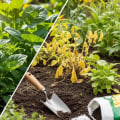
Native plants are species that have evolved in a specific region over thousands of years, adapting to the local climate, soil, and wildlife. Understanding your landscaping zone do I live in is crucial for selecting the right native plants. These plants are not only integral to their ecosystems but also offer a myriad of benefits for gardeners looking to create sustainable and vibrant landscapes. By choosing Native plants are species that have evolved in a specific region over thousands of years, adapting to the local climate, soil, and wildlife. Understanding your landscaping zone do I live in is crucial for selecting the right native plants. These plants are not only integral to their ecosystems but also offer a myriad of benefits for gardeners looking to create sustainable and vibrant landscapes. By choosing native plants, you are opting for a gardening approach that promotes biodiversity, supports local wildlife, and reduces the need for chemical interventions. One of the primary benefits of native plants is their resilience.
Because they are well-adapted to local conditions, they typically require less water and maintenance compared to non-native species. This means that once established, native plants can thrive with minimal intervention, making them an ideal choice for busy gardeners or those looking to reduce their environmental footprint. Furthermore, native plants provide essential habitats and food sources for local fauna, including birds, butterflies, and beneficial insects. Choosing native plants also contributes to the preservation of local ecosystems. As urbanisation continues to encroach on natural habitats, incorporating these species into your garden can help restore balance and support the ecological integrity of your area.
By planting native flora, you are not just beautifying your space; you are actively participating in conservation efforts that benefit both the environment and your community.
Assessing Your Garden Environment
To successfully incorporate native plants into your garden, it is essential to conduct a thorough assessment of your garden environment. This evaluation will help you understand the specific conditions that will influence plant growth and survival.1.Soil Type The first step in your assessment is to determine the soil type in your garden. Different native plants thrive in various soil conditions, such as sandy, clay, or loamy soils. You can perform a simple soil test by:- Collecting samples from different areas of your garden.
- Checking for drainage by observing how quickly water soaks into the ground.
- Testing the pH level using a home kit or sending samples to a local extension service.
Observe how sunlight moves across your garden throughout the day. Take note of:
- Areas that receive full sun (6+ hours of direct sunlight).
- Partial shade (3-6 hours of sunlight).
- Full shade (less than 3 hours of sunlight).
- Your region's average temperature ranges.
- The amount of rainfall and seasonal variations.
- Any extreme weather patterns, such as droughts or heavy storms.
Choosing the Right Native Plants for Your Garden
When it comes to choosing native plants for your garden, understanding your local environment is crucial. Native plants are those that naturally occur in your region and are well-adapted to the local climate, soil, and wildlife.Here are some tips to help you select the right species:
- Research Local Flora: Start by researching the native plants that thrive in your area. Local gardening clubs, botanical gardens, and extension services can provide valuable information on local native species.
- Consider Your Garden's Conditions: Assess the specific conditions of your garden, including sunlight, soil type, and moisture levels. Some native plants prefer dry, sandy soils while others thrive in wet or clay-rich environments.
- Match Plants to Your Aesthetic: Think about the look you want to achieve. Native plants come in a variety of shapes, sizes, and colours.
Choose a mix that complements your existing landscape while providing visual interest throughout the seasons.
- Support Local Wildlife: Select plants that attract local pollinators such as bees and butterflies. This not only enhances biodiversity but also supports the ecosystem in your area.
- Plan for Maintenance: While many native plants are low-maintenance, some may require occasional care. Consider how much time you can dedicate to garden upkeep when selecting your plants.
Designing Your Garden with Native Plants
Incorporating native plants into your garden not only enhances its aesthetic appeal but also supports local wildlife and promotes biodiversity.Here are some effective design ideas and planting arrangements to consider:
- Layered Planting: Create a visually appealing garden by layering plants of varying heights. Use taller native species at the back, medium-sized plants in the middle, and shorter varieties at the front. This arrangement not only adds depth but also ensures that all plants receive adequate sunlight.
- Wildflower Meadows: Transform a section of your garden into a wildflower meadow by sowing a mix of native wildflower seeds. This low-maintenance option provides a vibrant display of colour throughout the seasons and attracts pollinators.
- Native Plant Borders: Design borders using a combination of native shrubs and perennials.
This can create a natural-looking edge to your garden while providing habitat for birds and beneficial insects.
- Rain Gardens: If your garden has drainage issues, consider creating a rain garden with native plants that thrive in wet conditions. This not only helps manage stormwater but also adds an attractive feature to your landscape.
- Container Gardening: For those with limited space, using containers filled with native plants can be an excellent solution. Choose pots that complement your home’s style and select a variety of plants to create visual interest.
This allows you to enjoy the beauty of your landscape while providing access for maintenance and observation of wildlife.Ultimately, designing your garden with native plants is about creating a harmonious space that reflects the natural beauty of your local environment while supporting its ecosystem.
Maintenance Tips for a Thriving Native Plant Garden
Maintaining a native plant garden is essential for ensuring the health and longevity of your plants. Here are some key maintenance tips to help you cultivate a thriving native garden.- Watering: Native plants are often adapted to local climate conditions, which means they typically require less water than non-native species. However, during the establishment phase, regular watering is crucial. Aim to water deeply but infrequently, allowing the soil to dry out between sessions.
- Mulching: Applying a layer of organic mulch around your native plants can help retain moisture, suppress weeds, and improve soil quality as it breaks down.
Use materials such as wood chips or straw, ensuring that the mulch is not piled against the plant stems.
- Weed Control: Weeds can compete with your native plants for nutrients and water. Regularly check your garden for invasive species and remove them by hand or with appropriate tools. Consider using landscape fabric or additional mulch to further suppress weed growth.
- Pest Management: Native plants often attract beneficial insects that can help control pests naturally. Monitor your garden for signs of pest infestations and use organic methods such as insecticidal soap or neem oil if necessary.
Avoid chemical pesticides that can harm beneficial wildlife.
- Pruning: Some native plants may benefit from occasional pruning to promote healthy growth and flowering. Remove dead or diseased branches and spent flowers to encourage new growth and maintain the plant's shape.
- Soil Health: Conducting a soil test can provide valuable information about nutrient levels and pH balance. Native plants thrive in well-drained soils, so consider adding organic matter like compost to improve soil structure and fertility.
Creating a Wildlife-Friendly Habitat with Native Plants
Incorporating native plants into your garden is a powerful way to create a wildlife-friendly habitat that supports local ecosystems. Native plants are adapted to the local climate and soil conditions, making them more resilient and less resource-intensive than non-native species.By choosing these plants, you can significantly enhance biodiversity in gardens and provide essential resources for various wildlife.
Attracting Pollinators
- Native flowers such as lavender, coneflower, and black-eyed Susan are excellent for attracting bees, butterflies, and other pollinators.
- Planting in clusters rather than single specimens can create more visible patches of colour, making it easier for pollinators to locate food sources.
- Consider including a variety of bloom times to ensure that there are flowers available from early spring through late autumn.
Creating Shelter and Nesting Sites
- Incorporate native shrubs and trees that provide shelter and nesting sites for birds and small mammals. Species like hawthorn and blackthorn offer dense foliage that can protect wildlife from predators.
- Leave some areas of your garden wild, allowing native grasses and wildflowers to flourish. This not only provides habitat but also encourages beneficial insects.
Water Sources
- A small pond or water feature can attract a variety of wildlife, including amphibians and birds. Surround it with native wetland plants like marsh marigold or sedge.
- Ensure that any water sources are chemical-free to promote a healthy environment for all creatures.
This approach not only benefits the environment but also enriches your gardening experience, making it a rewarding endeavour.
Common Mistakes to Avoid When Using Native Plants
Incorporating native plants into your garden can be a rewarding experience, but there are several common mistakes that gardeners often make. Understanding these pitfalls can help you create a thriving native plant garden.- Choosing the Wrong Plants: One of the most frequent errors is selecting native plants that are not suited to your specific climate or soil type. Always research which species thrive in your local environment to ensure successful growth.
- Neglecting Maintenance: While native plants are generally low-maintenance, they still require some care. Failing to monitor for pests or diseases can lead to problems down the line.
Regularly check your plants and address any issues promptly.
- Overcrowding: Many gardeners underestimate the space needed for native plants to grow. Planting too closely can lead to competition for resources, stunted growth, and increased susceptibility to disease. Follow recommended spacing guidelines for each species.
- Ignoring Seasonal Changes: Native plants often have specific blooming seasons and growth patterns. Ignoring these can result in a garden that lacks visual interest throughout the year.
Plan your planting schedule to ensure continuous blooms and foliage.
- Using Non-Native Mulch: Some gardeners use non-native mulch, which can introduce invasive species into their gardens. Opt for organic mulch made from local materials to avoid this issue and support your native ecosystem.
Conclusion: Embracing Native Plants in Your Garden Journey
Incorporating native plants into your garden is not just a trend; it is a vital step towards creating a sustainable and thriving ecosystem. Throughout this article, we have explored various methods to seamlessly integrate these plants into your landscape, highlighting their numerous benefits. By choosing native species, you are not only enhancing the beauty of your garden but also supporting local wildlife, including pollinators such as bees and butterflies.These plants are well-adapted to your local climate and soil conditions, which means they require less water and maintenance compared to non-native varieties. As you embark on your gardening journey, consider the following key takeaways:
- Research Local Flora: Familiarise yourself with the native plants in your region. This knowledge will help you select species that thrive in your specific environment.
- Diversity is Key: Incorporate a variety of native plants to create a balanced ecosystem. This diversity will attract different species of wildlife and promote a healthier garden.
- Plan for All Seasons: Choose plants that bloom at different times throughout the year to ensure your garden remains vibrant and alive across all seasons.
- Connect with Nature: Embrace the opportunity to learn about the natural history of your area through the plants you choose. This connection can deepen your appreciation for local biodiversity.
By making informed choices and nurturing these plants, you contribute to the preservation of local ecosystems while enjoying a beautiful and sustainable garden space. So, take the plunge—let native plants flourish in your garden and watch as they transform your outdoor space into a haven for both you and nature.