Maintaining a garden is not merely about planting flowers and mowing the lawn; it encompasses a range of practices that ensure your outdoor space thrives throughout the seasons. Understanding the basics of garden maintenance is crucial for both novice and experienced gardeners alike. A well-maintained garden not only enhances the aesthetic appeal of your property but also contributes to the health of local ecosystems. However, many gardeners fall into common traps that can hinder their efforts and lead to disappointing results. One of the most prevalent common gardening mistakes is neglecting soil health.
Soil is the foundation of any garden, and its quality directly impacts plant growth. Failing to test soil pH, not adding organic matter, or over-fertilising can lead to nutrient imbalances that affect plant vitality. Additionally, understanding the specific needs of different plants—such as sunlight, water, and spacing—can prevent overcrowding and competition for resources. Another frequent error is improper watering techniques. Many gardeners either overwater or underwater their plants, both of which can be detrimental.
Establishing a consistent watering schedule based on weather conditions and plant requirements is essential for maintaining a healthy garden. By focusing on these fundamental aspects of garden maintenance, you can avoid common pitfalls and create a flourishing landscape that brings joy and beauty to your home.
Neglecting Soil Health
Maintaining a thriving garden begins with understanding the health of your soil. Many gardeners make the mistake of neglecting this crucial aspect, which can lead to poor plant growth and diminished yields. Soil is not just a medium for plants; it is a living ecosystem that requires attention and care.Soil testing
is an essential practice that many overlook.By testing your soil, you can determine its pH level, nutrient content, and organic matter percentage. This information is vital for making informed decisions about amendments and fertilisation. Without this knowledge, you may inadvertently add the wrong nutrients or fail to address deficiencies that could hinder plant development.Another common mistake is failing to amend soil properly. Many gardeners assume that their soil is adequate for planting without considering its composition.
If your soil is too sandy, it may drain too quickly, while clay-heavy soil can retain too much moisture. Both conditions can stress plants and lead to disease. To improve soil quality, consider incorporating organic matter such as compost or well-rotted manure. These amendments not only enhance nutrient availability but also improve soil structure and water retention.Additionally, neglecting to rotate crops can deplete specific nutrients in the soil over time.
By planting different crops in succession, you can help maintain a balanced nutrient profile and reduce the risk of pest infestations and diseases.In summary, prioritising soil health through regular testing and proper amendments is crucial for any successful gardening endeavour. By avoiding these common mistakes, you can create a robust foundation for your plants to thrive.
Overwatering and Underwatering Plants
Maintaining a healthy garden requires a keen understanding of how to water your plants correctly.Overwatering
and underwatering are two common mistakes that can lead to serious consequences for your plants.Signs of Overwatering
- Yellowing leaves: If the leaves of your plants start to turn yellow, it may indicate that they are receiving too much water.
- Wilting: Paradoxically, overwatered plants can also appear wilted, as their roots become waterlogged and unable to absorb nutrients.
- Mould or fungus: Excess moisture can lead to the growth of mould or fungus on the soil surface or plant leaves.
- Soggy soil: If the soil remains consistently wet and does not dry out between watering, this is a clear sign of overwatering.
Signs of Underwatering
- Crispy leaves: Leaves that feel dry and crispy to the touch are often a sign that your plants are not getting enough water.
- Drooping: Underwatered plants may droop or sag, indicating they are in distress due to lack of moisture.
- Brown leaf tips: The tips of leaves turning brown can signal that the plant is not receiving adequate hydration.
- Dry soil: Soil that is hard and dry indicates that it’s time to water your plants.
- Check soil moisture: Before watering, stick your finger into the soil about an inch deep. If it feels dry, it’s time to water.
- Water deeply but infrequently: Encourage deep root growth by watering thoroughly but less often, allowing the top layer of soil to dry out between sessions.
- Use mulch: Applying a layer of mulch can help retain moisture in the soil and reduce evaporation.
- Observe your plants: Regularly check your plants for signs of distress and adjust your watering schedule accordingly.
By avoiding the pitfalls of overwatering and underwatering, you can ensure your plants remain healthy and vibrant throughout the growing season.
Choosing the Wrong Plants for Your Environment
One of the most significant mistakes gardeners make is choosing the wrong plants for their specific environment. Selecting plants that are not suited to your local climate can lead to a host of problems, including poor growth, increased maintenance, and even plant failure. Understanding your garden's unique conditions is crucial for successful gardening.Plant Selection Tips
- Research Local Climate: Before purchasing plants, take the time to understand your local climate zone. This includes temperature ranges, rainfall patterns, and seasonal changes.
- Soil Type: Different plants thrive in different soil types.
Conduct a soil test to determine pH levels and nutrient content, which will guide you in selecting appropriate plants.
- Sunlight Exposure: Observe how much sunlight your garden receives throughout the day. Some plants require full sun, while others prefer partial shade or full shade.
Emphasising Native Plants
Another common mistake is overlooking native plants. These species are adapted to the local environment and often require less water and maintenance than non-native varieties. By incorporating native plants into your garden, you can create a sustainable ecosystem that supports local wildlife and reduces the need for chemical fertilizers and pesticides.
Climate-Appropriate Gardening
When selecting plants, consider their adaptability to your specific climate conditions.
For instance, if you live in an area prone to drought, opt for drought-resistant varieties that can withstand dry spells without wilting. Conversely, if your region experiences heavy rainfall, choose plants that can tolerate wet conditions without succumbing to root rot.Avoiding these common pitfalls in plant selection will not only enhance the beauty of your garden but also ensure its long-term health and sustainability. By taking the time to understand your environment and choosing wisely, you can create a thriving garden that flourishes year after year.
Ignoring Pest Control and Plant Diseases
One of the most significant mistakes gardeners make is ignoring pest control and the management of plant diseases. These issues can quickly escalate, leading to severe damage to your plants and a decline in garden health.Understanding how to effectively manage pests and diseases is crucial for maintaining a thriving garden.
Common Pests in the Garden
Many gardeners encounter a variety of pests, including:- Aphids: Small, sap-sucking insects that can weaken plants.
- Slugs and Snails: These molluscs can cause significant damage to leaves and stems.
- Spider Mites: Tiny arachnids that create webs and cause leaf discoloration.
- Whiteflies: These pests can transmit diseases and weaken plants by feeding on their sap.
Identifying Plant Diseases
In addition to pests, various plant diseases can affect your garden. Common issues include:- Powdery Mildew: A fungal disease that appears as white powder on leaves.
- Root Rot: Caused by overwatering, leading to plant wilting and decay.
- Blight: A disease that causes rapid wilting and death of plants, often affecting tomatoes and potatoes.
- Rust: Fungal infections that create orange or brown spots on leaves.
By staying vigilant and employing organic methods, you can protect your garden from these common threats and ensure its long-term health.
Failing to Plan for Seasonal Changes
One of the most significant mistakes gardeners make is failing to plan for seasonal changes. Each season brings its own set of challenges and opportunities, and neglecting to adapt your gardening practices accordingly can lead to disappointing results.Understanding Seasonal Changes
- Spring: This is the time for planting and rejuvenation. Ensure you prepare your soil and select plants that thrive in warmer temperatures.
- Summer: Focus on watering and pest control. Many plants require more frequent watering during this hot season, and pests can become more prevalent.
- Autumn: This is the ideal time for planting perennials and preparing your garden for winter.
Neglecting to do so can result in a lack of blooms in the following spring.
- Winter: Protect your plants from frost and harsh weather. Mulching and covering sensitive plants can prevent damage.
Seasonal Gardening Tips
To ensure your garden thrives throughout the year, consider the following tips:
- Create a seasonal calendar: Document when to plant, prune, and harvest different plants based on your local climate.
- Rotate crops: This practice helps maintain soil health and reduces pest infestations.
- Select appropriate plants: Choose varieties that are suited to your region's climate and seasonal conditions.
- Monitor weather forecasts: Stay informed about upcoming weather changes to adjust your care routine as needed.
Overcrowding Plants in the Garden
One of the most common mistakes in garden maintenance is overcrowding plants.When plants are too close together, they compete for essential resources such as sunlight, water, and nutrients, which can lead to stunted growth and increased susceptibility to diseases.To avoid these issues, it’s crucial to follow plant spacing guidelines. Different species have varying requirements, so always check the recommended spacing for each type of plant. For instance, larger plants like sunflowers or tomatoes typically need more space than smaller herbs or flowers.
Understanding Overcrowding Issues
Overcrowding can result in several problems:- Reduced Air Circulation: Plants that are too close together can trap moisture, creating a humid environment that fosters fungal diseases.
- Inadequate Sunlight: Taller plants may shade shorter ones, preventing them from receiving the light they need for photosynthesis.
- Nutrient Competition: When plants are overcrowded, they compete for soil nutrients, which can lead to deficiencies and poor health.
Garden Layout Tips
To create a thriving garden, consider the following layout tips:- Plan Your Garden: Before planting, sketch a layout that considers the mature size of each plant. This will help you visualise how much space each plant will need.
- Group Plants Wisely: Place plants with similar water and sunlight needs together to optimise care and reduce competition.
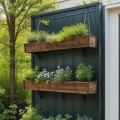
- Use Vertical Space: Incorporate trellises or vertical gardening techniques to maximise space without overcrowding the ground level.
Neglecting Regular Maintenance Tasks
Maintaining a garden is not just about planting flowers and vegetables; it requires a consistent garden maintenance schedule to ensure that your plants thrive.One of the most common mistakes gardeners make is neglecting regular maintenance tasks, which can lead to a decline in plant health and overall garden aesthetics.To keep your garden in top shape, consider the following essential regular gardening tasks:
- Weeding: Weeds compete with your plants for nutrients and water. Regularly check your garden for unwanted growth and remove them promptly.
- Watering: Different plants have varying water needs. Establish a routine that suits your garden's specific requirements, taking into account seasonal changes.
- Pruning: Regular pruning helps to promote healthy growth and flowering. Remove dead or diseased branches to prevent the spread of pests and diseases.
- Fertilising: Providing your plants with the right nutrients is crucial.
Use organic or slow-release fertilisers according to the needs of your plants.
- Pest Control: Monitor your garden for signs of pests. Early detection can save your plants from significant damage. Consider natural pest control methods to maintain a healthy ecosystem.
Remember, a little effort goes a long way in preserving the beauty and productivity of your outdoor space.
Conclusion: Key Takeaways for Successful Gardening
In conclusion, maintaining a thriving garden requires attention to detail and a proactive approach to common pitfalls. By understanding and avoiding these frequent mistakes, you can create a flourishing outdoor space that enhances your home and well-being. Here are the key takeaways to ensure your gardening efforts are successful:- Plan Before You Plant: Take the time to research your plants and their specific needs. Understanding the right conditions for each species will help you avoid overcrowding and ensure proper growth.
- Soil Quality Matters: Regularly test and amend your soil to provide the necessary nutrients. Poor soil can lead to stunted growth and increased susceptibility to pests.
- Water Wisely: Overwatering is just as detrimental as underwatering.
Establish a consistent watering schedule based on the needs of your plants and the climate.
- Pest Management: Don’t wait until pests become a problem. Implement preventive measures, such as companion planting and natural repellents, to keep your garden healthy.
- Seasonal Maintenance: Regularly prune, deadhead, and clean up debris to promote air circulation and reduce disease risk. Seasonal tasks are crucial for maintaining plant health.