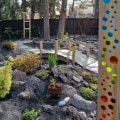
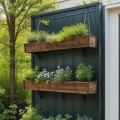
When it comes to creating a vibrant and inviting outdoor space, understanding garden plants is essential. These living elements not only enhance the aesthetic appeal of your landscape but also contribute to the overall health of the environment. From colourful flowers to lush greenery, the variety of types of garden plants available can transform any garden into a personal oasis. Whether you are a seasoned gardener or a novice looking to spruce up your backyard, knowing the right plants to choose is crucial for successful landscaping. In the realm of landscaping plants, there are several categories to consider, each serving unique purposes and offering distinct benefits.
For instance, flowering plants can add bursts of colour and attract pollinators, while shrubs provide structure and privacy. Additionally, ground cover plants can help prevent soil erosion and reduce maintenance by suppressing weeds. Understanding these categories will not only help you select the right plants for your garden but also ensure that they thrive in harmony with one another. As we delve deeper into the world of garden plants, we will explore various types that cater to different needs and preferences. From annuals that bloom brightly for a single season to perennials that return year after year, each plant type has its own charm and utility.
By familiarising yourself with these options, you can create a landscape that reflects your personal style while also supporting local wildlife and promoting biodiversity.
Annual Plants
Annual plants are a popular choice among gardeners due to their vibrant blooms and ability to provide instant colour to any garden space. These plants complete their entire lifecycle—from germination to seed production—within a single growing season, typically lasting from spring to autumn. Once they have produced seeds, they die off, making way for new growth in the following year.One of the primary benefits of annuals is their capacity to offer continuous colour and variety throughout the season. Unlike perennials, which may only bloom for a few weeks each year, annuals can be planted at different times to ensure that your garden remains lively and attractive.They are also relatively easy to grow, making them ideal for both novice and experienced gardeners.
Popular Annuals for Gardens
- Petunias: Known for their wide range of colours and patterns, petunias are perfect for hanging baskets and borders.
- Marigolds: These hardy flowers not only add a splash of yellow or orange but also help deter pests in the garden.
- Zinnias: With their bright blooms and resilience to heat, zinnias are excellent for summer gardens.
- Cosmos: These delicate flowers attract pollinators and thrive in poor soil conditions.
- Begonias: Ideal for shaded areas, begonias offer lush foliage and beautiful flowers.
Perennial Plants
Perennial plants are a cornerstone of many gardens, known for their ability to return year after year, providing a reliable source of beauty and structure. Unlike annuals, which complete their life cycle in one growing season, perennials can live for several years, making them a sustainable choice for garden design.One of the primary advantages of perennials is their low maintenance nature.Once established, they require less care than annuals, as they do not need to be replanted each year. This longevity allows gardeners to create a stable landscape that evolves over time, with plants that can adapt to changing conditions.
Best Perennials for Landscaping
When selecting perennials for your garden, consider your local climate and soil conditions. Here are some of the best perennials suited for various environments:- Lavender (Lavandula) : Ideal for sunny spots, lavender is drought-resistant and attracts pollinators.
- Daylilies (Hemerocallis) : These hardy plants thrive in a range of conditions and offer vibrant blooms throughout the summer.
- Hostas : Perfect for shaded areas, hostas provide lush foliage and come in various sizes and colours.
- Echinacea (Coneflower) : Known for its medicinal properties, echinacea is drought-tolerant and attracts butterflies.
- Peonies : With their large, fragrant blooms, peonies are a classic choice that can last for decades with proper care.
By choosing the right mix of perennials, you can create a dynamic landscape that flourishes with minimal effort over the years.
Trees in Landscaping
Trees play a pivotal role in landscaping, offering both aesthetic appeal and numerous ecological benefits. When selecting trees for your garden, it’s essential to consider their size, shape, and growth habits to ensure they complement your landscape design.Types of Trees for Gardens
- Deciduous Trees: These trees shed their leaves annually, providing seasonal interest. Popular choices include the Maple, known for its vibrant autumn colours, and the Oak, which offers a majestic presence.
- Evergreen Trees: Retaining their foliage year-round, evergreens like the Pine and Cypress provide structure and privacy in gardens throughout all seasons.
- Fruit Trees: Not only do they enhance the beauty of your garden, but they also yield delicious produce. Consider planting Apple, Pear, or Cherry trees for both ornamental and practical benefits.
- Flowering Trees: These trees add a burst of colour during blooming seasons.
The Crape Myrtle and Magnolia are excellent examples that can transform any garden space.
Benefits of Trees in Gardens
- Environmental Impact: Trees improve air quality by absorbing carbon dioxide and releasing oxygen. They also provide habitats for wildlife, promoting biodiversity.
- Shade and Cooling: Strategically placed trees can reduce energy costs by providing shade to homes, thus lowering the need for air conditioning during hot months.
- Aesthetic Value: Trees enhance the visual appeal of gardens, creating focal points and adding depth to landscaping designs.
- Erosion Control: The root systems of trees help stabilise soil, preventing erosion and maintaining the integrity of your garden landscape.
Herbs and Edible Plants
In recent years, the trend of incorporating herbs and edible plants into gardens has gained significant popularity among gardening enthusiasts and home cooks alike. Not only do these plants enhance the aesthetic appeal of outdoor spaces, but they also provide fresh ingredients for culinary creations.When considering which herbs to grow, it’s essential to choose varieties that suit your cooking style and climate.Here are some popular choices:
- Basil: A staple in Mediterranean cuisine, basil thrives in warm weather and is perfect for adding flavour to pasta dishes and salads.
- Mint: Known for its refreshing taste, mint is versatile and can be used in beverages, desserts, and savoury dishes.
- Rosemary: This hardy herb is ideal for roasting meats and vegetables, offering a robust flavour that enhances many dishes.
- Thyme: With its earthy aroma, thyme is a fantastic addition to soups, stews, and marinades.
- Coriander (Cilantro): Popular in Asian and Latin American cuisines, coriander adds a unique zest to salsas and curries.
- Select the Right Location: Most herbs prefer full sun, so choose a spot in your garden that receives at least six hours of sunlight daily.
- Use Quality Soil: Well-draining soil enriched with organic matter will help your herbs thrive.
- Water Wisely: Herbs generally prefer slightly dry conditions; overwatering can lead to root rot. Water them when the top inch of soil feels dry.
- Harvest Regularly: Frequent harvesting encourages growth. Snip off leaves as needed, but avoid taking more than one-third of the plant at a time.
These plants not only provide delicious produce but also contribute to a sustainable lifestyle by reducing reliance on store-bought items. By creating a garden filled with herbs and edible plants, you can enjoy the benefits of fresh ingredients while beautifying your outdoor space.
Ground Covers and Vines
Ground covers and climbing vines are essential components of any garden, offering both aesthetic appeal and practical benefits. These plants not only enhance the beauty of your landscape but also play a crucial role in maintaining soil health and preventing erosion.Ground Cover Plants
Ground cover plants are low-growing species that spread across the soil, creating a dense mat that suppresses weeds and retains moisture. They are particularly useful in areas where grass may struggle to grow, such as shaded spots or steep slopes.Some popular ground cover options include:
- Creeping Thyme: This aromatic herb is drought-resistant and produces lovely purple flowers in summer.
- Ajuga (Bugleweed): Known for its vibrant foliage and blue flower spikes, Ajuga thrives in both sun and shade.
- Pachysandra: A hardy evergreen that provides year-round greenery, ideal for shaded areas.
Climbing Vines
Climbing vines add vertical interest to your garden, transforming bare walls or fences into lush green backdrops. They can also provide privacy and shade, making them a practical choice for urban gardens. Some popular climbing vines include:- Clematis: With a variety of colours and forms, Clematis can bloom from spring to autumn.
- Honeysuckle: This fragrant vine attracts pollinators and can be trained to grow on trellises or arbors.
- Ivy: A classic choice for covering walls, Ivy is evergreen and requires minimal maintenance.
Additionally, these plants can improve biodiversity by providing habitats for various wildlife species. By selecting the right combination of ground covers and climbing vines, you can create a vibrant, sustainable garden that thrives throughout the seasons.
Native Plants and Their Importance
Incorporating native plants into your garden design is not only a sustainable choice but also a vital step towards enhancing local biodiversity. Native species are those that have evolved in a specific region over thousands of years, adapting to the local climate, soil, and wildlife. This makes them particularly well-suited for gardens, as they require less maintenance and are more resilient to local pests and diseases.One of the primary benefits of native species is their ability to support local ecosystems.They provide essential habitats and food sources for various wildlife, including birds, butterflies, and beneficial insects. By planting native flora, gardeners can create a thriving environment that encourages pollination and promotes a balanced ecosystem.Moreover, native plants are often more drought-resistant and require fewer resources compared to non-native varieties. This not only conserves water but also reduces the need for chemical fertilizers and pesticides, making your garden more environmentally friendly.When landscaping with native plants, consider the following:
- Choose local varieties: Select plants that are indigenous to your area to ensure they thrive in your garden's specific conditions.
- Diversity is key: Incorporate a mix of species to create a more resilient garden that can withstand pests and diseases.
- Seasonal interest: Opt for plants that bloom at different times throughout the year to maintain visual appeal and support wildlife year-round.
FAQs About Garden Plants
When it comes to garden plants, many enthusiasts have questions that can help them cultivate a thriving garden.Here are some of the most frequently asked questions:
What are the best plants for beginners?
If you're new to gardening, consider starting with hardy plants that require minimal care. Some excellent options include:- Marigolds - Bright and cheerful, these flowers are easy to grow and deter pests.
- Lavender - A fragrant herb that thrives in sunny spots and well-drained soil.
- Succulents - Perfect for indoor gardens, they require little water and attention.
How often should I water my garden plants?
The frequency of watering depends on several factors, including the type of plants, soil conditions, and weather. As a general rule:- Water deeply but infrequently to encourage deep root growth.
- Aim for about 1 inch of water per week, adjusting for rainfall.
- Check the soil moisture; if it feels dry an inch below the surface, it's time to water.
What are some common pests that affect garden plants?
Pests can be a significant challenge for gardeners. Here are a few common culprits:- Aphids - Small insects that suck sap from plants, leading to wilting.
- Slugs and snails - These molluscs can cause extensive damage to leaves.
- Spider mites - Tiny pests that create webbing and cause leaf discoloration.
How can I improve soil quality for my garden?
Healthy soil is crucial for plant growth.To enhance your soil quality:
- Add organic matter such as compost or well-rotted manure.
- Test your soil pH and amend it as necessary with lime or sulphur.
- Rotate crops annually to prevent nutrient depletion.
Conclusion: Choosing the Right Plants for Your Garden
In conclusion, selecting the right plants for your garden is a crucial step in creating a thriving outdoor space that reflects your personal style and meets your gardening needs. Throughout this article, we have explored various types of garden plants, including annuals, perennials, shrubs, and trees, each offering unique benefits and aesthetic appeal.When choosing plants, consider the following factors:- Climate: Ensure that the plants you select are suitable for your local climate. Some plants thrive in warmer conditions, while others prefer cooler temperatures.
- Soil Type: Different plants have varying soil requirements.
Conduct a soil test to determine pH and nutrient levels, which will guide your plant selection.
- Sunlight: Assess the sunlight exposure in your garden. Some plants require full sun, while others flourish in partial shade.
- Maintenance Level: Consider how much time you can dedicate to garden care. Low-maintenance plants are ideal for busy gardeners, while those who enjoy gardening may opt for more demanding varieties.
Don't forget to plan for seasonal changes; selecting a variety of plants that bloom at different times will ensure that your garden remains vibrant throughout the year.Ultimately, the key to a successful garden lies in understanding your specific needs and preferences. By carefully considering the factors mentioned above and choosing plants that align with your vision, you can cultivate a beautiful and sustainable garden that brings joy for years to come.