In recent years, the world of garden and landscape design has witnessed a remarkable evolution, driven by a blend of environmental awareness, technological advancements, and a desire for personal expression. As homeowners increasingly seek to create outdoor spaces that reflect their individuality while also being sustainable, the latest garden design trends have emerged as a response to these changing priorities. This highlights the growing importance of garden spaces in enhancing our living environments. From eco-friendly practices to innovative materials, the landscape of garden design is more dynamic than ever. One of the most significant shifts in have emerged as a response to these changing priorities. This highlights the growing importance of garden spaces in enhancing our living environments. From eco-friendly practices to innovative materials, the landscape of garden design is more dynamic than ever. One of the most significant shifts in landscape design trends is the emphasis on biodiversity and native planting.
Gardeners are now more inclined to choose plants that not only thrive in their local climate but also support local wildlife. This trend not only enhances the aesthetic appeal of gardens but also contributes to ecological balance. Additionally, the integration of technology into garden design—such as smart irrigation systems and garden management apps—has made it easier for enthusiasts to maintain their green spaces efficiently. As we delve deeper into the popular styles that define contemporary gardens, we will explore how these trends are reshaping our outdoor environments. From minimalist designs that focus on clean lines and simplicity to lush, tropical-inspired retreats that invite relaxation, the current landscape is rich with inspiration.
Join us as we uncover the latest innovations and styles in garden and landscape design, providing you with valuable insights to transform your own outdoor space.
Sustainable Gardening Practices
The rise of sustainable gardening practices reflects a growing awareness of environmental issues and the need for responsible land stewardship. These practices not only enhance the beauty of gardens but also contribute to the health of our ecosystems.One key aspect of sustainable gardening is the use of eco-friendly materials. This includes selecting native plants that are well-adapted to local conditions, thereby reducing the need for excessive watering and chemical fertilizers. Native plants also support local wildlife, including pollinators like bees and butterflies, which are essential for biodiversity.Another important principle is the implementation of permaculture principles.Permaculture focuses on creating self-sustaining ecosystems that mimic natural processes. For instance, incorporating companion planting can enhance plant growth and deter pests without the use of harmful pesticides. This method not only promotes a healthier garden but also reduces maintenance efforts.
- Composting: Recycling organic waste into nutrient-rich compost is a cornerstone of sustainable gardening. It enriches the soil and reduces landfill waste.
- Rainwater harvesting: Collecting rainwater for irrigation helps conserve water resources and reduces reliance on municipal water systems.
- Organic pest control: Using natural predators or organic solutions can effectively manage pests while maintaining ecological balance.
By prioritising sustainability in garden and landscape design, we not only create beautiful spaces but also contribute positively to our environment.
Vertical Gardens and Green Walls
In recent years, vertical gardens and green walls have emerged as a transformative trend in urban gardening solutions, offering a unique way to integrate nature into densely populated areas. These innovative designs not only enhance the aesthetic appeal of buildings but also provide numerous environmental benefits.Vertical gardens
, often referred to as living walls, consist of a variety of plants that are grown vertically on structures. This method maximises space, making it ideal for urban environments where ground area is limited. By utilising vertical space, these gardens can turn bland walls into vibrant green canvases, contributing to the overall beauty of the urban landscape.One of the most significant advantages of green walls is their ability to improve air quality.Plants naturally filter pollutants and carbon dioxide, releasing oxygen in return. This process can significantly reduce the levels of harmful substances in the air, making cities healthier places to live. Furthermore, vertical gardens can help regulate building temperatures, reducing the need for air conditioning and thereby lowering energy costs.In addition to their environmental benefits, vertical gardens also promote biodiversity by providing habitats for various species of birds and insects. This is particularly important in urban areas where natural habitats are often scarce.
By incorporating a diverse range of plant species, these gardens can support local ecosystems and contribute to urban wildlife conservation.For those considering implementing a vertical garden, there are several options available:
- Modular systems: These pre-planted panels can be easily installed on existing walls.
- Hydroponic systems: These require less soil and water, making them efficient for urban settings.
- DIY solutions: Creative individuals can use repurposed materials to create their own vertical gardens.
Native Plant Landscaping
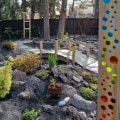
In recent years, native plant landscaping has gained significant traction among garden enthusiasts and landscape designers alike. This approach focuses on using plants that are indigenous to a specific region, promoting biodiversity and creating a harmonious relationship between the garden and its surrounding ecosystem.One of the primary benefits of incorporating native species into your landscape is their adaptability to local conditions.These plants have evolved over time to thrive in the local climate, soil types, and rainfall patterns, which means they require less water and fewer chemical inputs compared to non-native varieties. This not only reduces maintenance efforts but also contributes to a more sustainable gardening practice.Moreover, native plants play a crucial role in supporting local wildlife. They provide essential habitats and food sources for various species, including birds, butterflies, and beneficial insects. By choosing native plants, gardeners can create a vibrant ecosystem that encourages pollination and pest control naturally.
- Low Maintenance: Native plants typically require less care once established, reducing the need for fertilizers and pesticides.
- Biodiversity: They support a wider range of wildlife, enhancing the ecological balance in your garden.
- Aesthetic Appeal: Native plants often have unique beauty and can be used creatively to enhance the visual interest of landscapes.
With reduced water usage and lower maintenance requirements, homeowners can enjoy beautiful gardens without incurring high expenses. Furthermore, many local councils offer incentives for using native plants in landscaping projects, making it an even more attractive option.In conclusion, embracing native plant landscaping not only enriches your garden but also contributes positively to the environment. By selecting plants that are well-suited to your local area, you can create a thriving landscape that supports both nature and your gardening ambitions.
Outdoor Living Spaces
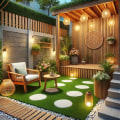
In recent years, the trend of creating outdoor living spaces has gained significant momentum, transforming gardens into extensions of our homes. This shift reflects a growing desire to maximise outdoor areas for relaxation and entertainment, making them as functional and inviting as indoor spaces.One of the most popular elements of outdoor living design is the garden patio.Patios serve as versatile platforms for various activities, from casual family gatherings to formal dinner parties. When designing a patio, consider materials that complement your home’s architecture, such as natural stone, brick, or modern composite decking. Incorporating comfortable seating and ambient lighting can enhance the atmosphere, making it a perfect spot for evening relaxation.Another exciting trend is the integration of outdoor kitchens. These spaces allow homeowners to cook and entertain outdoors, providing a seamless transition from indoor to outdoor dining.
A well-designed outdoor kitchen typically includes essential appliances like grills, sinks, and refrigerators, along with ample counter space for food preparation. Adding features such as a pizza oven or a bar area can elevate the experience, making it ideal for hosting summer barbecues or family celebrations.Moreover, creating outdoor lounges with comfortable furniture and decorative elements can significantly enhance the usability of your garden. Incorporating weather-resistant sofas, fire pits, and even outdoor rugs can create a cosy atmosphere that encourages relaxation. Consider adding greenery through potted plants or vertical gardens to soften the space and provide a natural backdrop.Ultimately, the key to successful outdoor living spaces lies in thoughtful design that prioritises comfort and functionality while reflecting personal style.
By embracing these trends in garden and landscaping information, homeowners can create inviting environments that foster connection with nature and enhance their overall lifestyle.
Smart Gardening Technology
In recent years, smart gardening technology has revolutionised the way we approach garden and landscape design. With the integration of advanced tools and systems, gardeners can now enhance their efficiency and improve plant care significantly.One of the most notable trends is the rise of automated irrigation systems. These systems utilise sensors to monitor soil moisture levels and weather conditions, ensuring that plants receive the optimal amount of water without waste. This not only conserves water but also promotes healthier plant growth by preventing overwatering or underwatering.Additionally, smart gardening tools have become increasingly popular among both amateur and professional gardeners.Devices such as smart plant monitors can track various environmental factors, including light, temperature, and humidity. By providing real-time data, these tools enable gardeners to make informed decisions about their plants' needs.
- Smart irrigation controllers: These devices can be programmed to adjust watering schedules based on weather forecasts, ensuring that gardens are watered efficiently.
- Soil sensors: By measuring soil pH and nutrient levels, these sensors help gardeners understand what amendments may be necessary for optimal plant health.
- Garden management apps: Many applications now allow users to plan their gardens digitally, track plant growth, and even receive reminders for watering or fertilising.
Minimalist Landscape Design
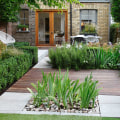
In recent years, minimalist landscape design has gained significant traction among homeowners and landscape architects alike. This approach prioritises simplicity and functionality, creating outdoor spaces that are not only aesthetically pleasing but also easy to maintain.By stripping away unnecessary elements, minimalist gardens focus on the essentials, allowing nature to take centre stage.One of the key principles of minimalist garden design is the use of clean lines and geometric shapes. This can be achieved through the careful selection of plants, hardscaping materials, and layout. For instance, a simple pathway made of large stone slabs can lead to a focal point such as a sculpture or a water feature, drawing the eye without overwhelming the senses.
- Plant Selection: Minimalist gardens often feature a limited palette of plants. Choosing a few species that complement each other can create a cohesive look.
Consider using native plants that require less maintenance and are well-suited to the local climate.
- Hardscaping: Incorporating materials like concrete, gravel, or wood can enhance the minimalist aesthetic. These elements should be used sparingly to maintain an uncluttered appearance.
- Negative Space: Emphasising negative space is crucial in minimalist design. This involves leaving areas of the garden intentionally empty to create balance and allow for visual breathing room.
By focusing on what is truly necessary, homeowners can create outdoor environments that enhance their lifestyle.Modern garden styles often embrace this minimalist philosophy, blending indoor and outdoor spaces seamlessly. Large windows and sliding doors can open up living areas to the garden, making it an extension of the home. This connection fosters a sense of tranquility and encourages outdoor living.In conclusion, adopting a minimalist approach to landscape design not only simplifies maintenance but also creates serene environments that promote relaxation and mindfulness. As more people seek to escape the chaos of daily life, minimalist gardens offer a perfect retreat into nature.
Incorporating Water Features
In recent years, the trend of incorporating water features into garden and landscape design has gained significant popularity.These elements not only enhance the visual appeal of outdoor spaces but also provide a range of benefits that contribute to a serene and inviting atmosphere.
Ponds
and fountains are among the most sought-after water features, each offering unique advantages. Ponds can serve as a habitat for wildlife, attracting birds and beneficial insects, while also providing a tranquil setting for relaxation. On the other hand, fountains add a dynamic element to gardens, with the sound of flowing water creating a soothing backdrop that can mask unwanted noise from nearby roads or urban environments.The calming effects of water elements in landscaping are well-documented. Studies have shown that the presence of water can reduce stress levels and promote a sense of well-being.This makes water features an ideal addition for those looking to create a peaceful retreat in their own backyard.
- Aesthetic Appeal: Water features can serve as focal points in garden design, drawing the eye and enhancing the overall aesthetic.
- Wildlife Attraction: Incorporating ponds can encourage biodiversity by attracting various species, enriching the garden's ecosystem.
- Microclimate Creation: Water bodies can help regulate temperature and humidity levels, creating a more comfortable environment for plants and people alike.
- Sound Therapy: The gentle sound of flowing water can have therapeutic effects, promoting relaxation and mindfulness.
Conclusion: Embracing Trends for a Beautiful Garden Space
As we have explored throughout this article, the world of garden and landscape design is constantly evolving, with new trends emerging that reflect our changing lifestyles and environmental considerations. From the rise of sustainable practices to the integration of technology, these trends not only enhance the aesthetic appeal of outdoor spaces but also promote a deeper connection with nature.One of the most significant trends is the emphasis on native plants, which support local ecosystems and require less maintenance. By incorporating these plants into your garden, you can create a vibrant landscape that thrives with minimal intervention.Additionally, the use of permaculture principles encourages a holistic approach to gardening, focusing on sustainability and biodiversity.Another noteworthy trend is the incorporation of outdoor living spaces. As more people seek to extend their indoor comforts to the outdoors, features such as kitchens, lounges, and fire pits are becoming essential elements in garden design. This trend not only enhances usability but also encourages social interaction and relaxation in a natural setting.Moreover, the integration of smart technology in garden management is revolutionising how we care for our landscapes. Automated irrigation systems and smart lighting solutions allow for efficient maintenance while reducing water waste and energy consumption.In conclusion, embracing these contemporary trends in garden and landscaping can transform your outdoor space into a beautiful, functional haven.
Whether you choose to focus on sustainability, enhance your outdoor living experience, or incorporate technology, each decision contributes to a more harmonious relationship with your environment. As you plan your own garden or landscape design, consider these innovative ideas to create a space that reflects your personal style while being mindful of ecological impact.