In an era where climate change and extreme weather events are becoming increasingly common, fire-safe landscaping has emerged as a crucial practice for homeowners and gardeners alike. Understanding the principles of creating a fire-safe landscape is essential not only for protecting your property but also for safeguarding the surrounding environment. By implementing thoughtful design and maintenance strategies, you can significantly reduce the risk of wildfires encroaching on your home. Fire-safe landscaping involves selecting appropriate plants, arranging them wisely, and maintaining your garden in a way that minimises fire hazards. This approach not only enhances the aesthetic appeal of your outdoor space but also contributes to overall garden safety.
The right combination of vegetation can create defensible space around your property, acting as a barrier against potential flames. Furthermore, understanding how different plants react to fire can help you make informed choices that align with your local climate and conditions. As we delve deeper into this topic, we will explore practical landscaping tips that can transform your garden into a fire-resistant haven. From choosing fire-resistant plants to implementing effective irrigation systems, each strategy plays a vital role in creating a landscape that not only looks beautiful but also stands resilient against the threat of fire. By prioritising fire-safe landscaping, you are taking proactive steps to protect your home and community from the devastating impacts of wildfires.
Assessing Your Landscape's Fire Risk
To effectively create a fire-safe landscape, it is crucial to conduct a thorough landscape fire risk assessment.This process involves evaluating various factors that contribute to the overall fire hazard in your garden or landscaped area.
1.Vegetation Type
- Identify the types of plants and trees in your landscape. Certain species, such as conifers, are more flammable due to their resinous nature.
- Consider replacing highly flammable plants with fire-resistant species. Native plants are often better adapted to local conditions and may require less maintenance.
2.Proximity to Structures
- Assess how close vegetation is to your home and other structures. A distance of at least 10 feet is recommended to reduce the risk of fire spreading.
- Clear any debris, such as leaves and twigs, from gutters and around the foundation of your home to prevent ignition.
3.Local Climate Conditions
- Understand the climate in your area, including seasonal weather patterns that may increase fire risk, such as prolonged dry spells or high winds.
- Monitor local fire danger ratings and adjust your landscaping practices accordingly during high-risk periods.
4.Garden Risk Factors
- Evaluate the layout of your garden.
Ensure that pathways and driveways are clear and can serve as firebreaks.
- Consider installing non-combustible materials for hardscaping elements like patios and walkways to further reduce fire risk.
Choosing Fire-Resistant Plants
Creating a fire-safe landscape begins with the careful selection of fire-resistant plants. These plants are less likely to ignite and can help slow the spread of fire, making them essential for any garden or landscaping project aimed at enhancing safety.When choosing landscaping with fire-safe plants, consider the following types:- Native Species: Native plants are often more resilient to local conditions and typically have lower flammability. Examples include:
- Lavender - Known for its aromatic properties, lavender is drought-resistant and has a low oil content.
- Yarrow - This hardy perennial is not only beautiful but also has a high resistance to fire.
- California Poppy - A vibrant addition to any garden, this plant thrives in dry conditions and is less likely to catch fire.
- Drought-Tolerant Plants: Plants that require less water are generally less flammable.
Consider:
- Sage - With its aromatic leaves, sage is both a culinary herb and a fire-resistant option.
- Aloe Vera - This succulent not only provides health benefits but also thrives in arid conditions.
- Low-Flammability Shrubs: Incorporating shrubs with low flammability can create effective barriers. Some options include:
- Boxwood - A popular choice for hedges, boxwood is dense and has a low ignition potential.
- Juniper - Certain varieties of juniper are less flammable and can add texture to your landscape.
Creating Defensible Space Around Your Home
Creating a defensible space around your home is crucial for enhancing home fire safety and minimising the risk of wildfires spreading to your property.This space acts as a buffer between your home and the surrounding vegetation, helping to slow or stop the advance of fire.To establish an effective defensible space, consider the following guidelines:
- Zone 1: Immediate Area (0-5 feet from your home)
- Keep this area clear of any flammable materials, such as wood piles, mulch, or dry leaves.
- Use non-combustible materials for hardscaping, such as stone or concrete.
- Opt for fire-resistant plants and shrubs that are well-watered and maintained.
- Zone 2: Intermediate Area (5-30 feet from your home)
- Space trees at least 10 feet apart to prevent fire from jumping from one tree to another.
- Trim branches so they are at least 6-10 feet above the ground.
- Choose low-growing plants and maintain a well-irrigated lawn to reduce fire risk.
- Zone 3: Extended Area (30-100 feet from your home)
- Create a buffer by removing dead vegetation and thinning out dense areas of trees.
- Consider using gravel or stone pathways to break up fuel continuity.
- Maintain a distance of at least 30 feet between tree canopies and your home.
- Clearing debris from gutters and roofs.
- Mowing grass regularly to keep it short and green.
- Pruning shrubs and trees to remove any dead or dying material.
Implementing Hardscaping Features
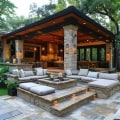
When creating a fire-safe landscape, hardscaping features play a crucial role in minimising fire risk. These elements, which include patios, walkways, and retaining walls, not only enhance the aesthetic appeal of your garden but also serve as effective barriers against the spread of fire.Non-flammable materials
are essential when selecting hardscaping components.Opt for materials such as stone, concrete, or brick, which are less likely to ignite compared to traditional wooden structures. For instance, a stone patio can provide a safe gathering area that is resistant to flames and embers.Incorporating landscape design principles that prioritise fire safety can further enhance the effectiveness of hardscaping. Here are some strategies to consider:
- Strategic Placement: Position hardscaping features away from flammable vegetation. This creates a defensible space that can help slow down or stop the spread of fire.
- Use of Gravel: Surrounding plants with gravel pathways can reduce the risk of fire by limiting combustible materials near your home.
- Retaining Walls: These can be designed to create terraces that not only manage soil erosion but also act as barriers against fire movement.
These features can provide warmth and ambiance while being safely contained within a fire-resistant area.Ultimately, by thoughtfully implementing hardscaping features with fire safety in mind, you can create a beautiful and secure landscape that protects your home and enhances your outdoor living experience.
Maintaining Your Fire-Safe Landscape
Maintaining a fire-safe landscape is crucial for protecting your property and ensuring the safety of your family. Regular upkeep not only enhances the aesthetic appeal of your garden but also significantly reduces the risk of fire hazards. Here are some essential tips for effective landscape maintenance focused on fire safety:- Regular Pruning: Keep trees and shrubs well-trimmed to prevent them from becoming overgrown.
Prune dead or dying branches
and ensure that tree canopies are at least 10 feet away from structures and power lines. - Debris Removal: Regularly clear your garden of fallen leaves, twigs, and other organic debris.
This material can easily ignite and serve as fuel for a fire. Make it a habit to check your landscape, especially after windy days.
- Seasonal Checks: Conduct thorough inspections of your landscape at the beginning of each season. Look for any signs of disease in plants or trees that may weaken them, making them more susceptible to fire.
- Mulching Wisely: Use non-combustible mulch materials such as gravel or stone instead of wood chips, which can ignite easily. If you prefer organic mulch, keep it at least 3 feet away from any structures.
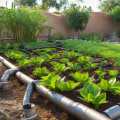
- Irrigation Systems: Ensure that your irrigation systems are functioning properly.
A well-watered landscape is less likely to catch fire. Consider installing drip irrigation systems to maintain moisture levels effectively.
FAQs About Fire-Safe Landscaping
When it comes to fire-safe landscaping, many homeowners have questions about how to effectively protect their properties while maintaining an attractive garden. Below are some frequently asked questions that address common concerns.What plants are best for fire-resistant landscaping?
Choosing the right plants is crucial for creating a fire-safe landscape.Opt for native and drought-resistant species, as they tend to be more resilient to fire. Some excellent choices include:
- Lavender
- Succulents
- Ornamental grasses
- Rockrose
- California lilac
How can I create defensible space around my home?
Creating a defensible space is essential for reducing fire risk. This involves:- Zone 1 (0-5 feet): Keep this area clear of flammable materials. Use non-combustible materials for pathways and patios.
- Zone 2 (5-30 feet): Maintain a well-watered garden with fire-resistant plants.
Space trees and shrubs to prevent fire from jumping between them.
- Zone 3 (30-100 feet): Thin out vegetation and remove dead or dying plants to reduce fuel loads.
What maintenance practices should I follow?
Regular maintenance is key to ensuring your landscape remains fire-safe. Consider the following:- Regularly prune trees and shrubs to remove dead branches and reduce density.
- Clearing debris, such as leaves and twigs, from gutters and around the property.
- Watering plants during dry spells to keep them healthy and less susceptible to fire.
Conclusion: Key Takeaways for a Fire-Safe Landscape
Creating a fire-safe landscape is essential for protecting your home and property from the devastating effects of wildfires. As we have discussed, there are several key strategies to implement that can significantly reduce fire risk.1.Maintain a Defensible Space: Establishing a defensible space around your property is crucial. This area should be free of flammable materials and vegetation, allowing firefighters to operate effectively if a fire approaches.- Clear away dead plants, leaves, and debris.
- Trim trees and shrubs to create vertical and horizontal spacing.
- Use non-combustible materials for hardscaping elements like patios and walkways.
Opt for fire-resistant species that are less likely to ignite and spread flames. Native plants are often more resilient and require less maintenance.
- Avoid highly flammable plants such as junipers and pines.
- Incorporate succulents and other moisture-rich plants into your landscape.
- Consider drip irrigation systems to deliver water directly to the roots.
- Regularly check for leaks or dry spots in your garden.