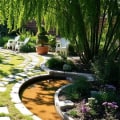
Erosion is a natural process that involves the wearing away of the earth's surface, often exacerbated by human activities. In the context of gardens and landscapes, erosion can lead to significant challenges, undermining the very foundation of your green spaces, including areas where you might want to introduce pond plants uk. Understanding what erosion is and how it affects your garden is crucial for any gardener or landscape enthusiast who wishes to maintain a thriving environment. At its core, erosion occurs when soil particles are displaced by wind, water, or human intervention. This displacement can result in the loss of vital nutrients and organic matter, which are essential for plant health.
The effects of erosion on gardens can be devastating; it can lead to decreased soil fertility, increased runoff, and even the destruction of plant roots. Over time, this can create an unbalanced ecosystem where plants struggle to survive. Several factors contribute to garden erosion, including poor soil structure, lack of vegetation cover, and improper landscaping techniques. For instance, steep slopes without adequate plant cover are particularly vulnerable to erosion during heavy rainfall. Additionally, activities such as over-tilling or excessive foot traffic can further exacerbate the problem.
By recognising these causes early on, gardeners can implement effective strategies to mitigate erosion and protect their landscapes.
Identifying Erosion-Prone Areas in Your Landscape
To effectively prevent erosion in your garden and landscape, it is crucial to first identify areas that are particularly vulnerable. Understanding the signs of erosion can help you take proactive measures to protect your soil and plants.Visual Signs of Erosion
- Exposed Roots: If you notice tree or plant roots becoming visible, this may indicate that the soil around them is washing away.
- Uneven Soil Surface: Look for areas where the ground appears uneven or has depressions, as these can be signs of soil loss.
- Rills and Gullies: Small channels or larger gullies forming in your garden are clear indicators of water erosion.
- Loss of Vegetation: Areas where grass or plants are sparse may be suffering from erosion, as the soil is no longer able to support healthy growth.
Environmental Factors Contributing to Erosion
Several environmental factors can increase the risk of erosion in your landscape:
- Slope: Steeper slopes are more prone to erosion due to gravity pulling water and soil downwards.
- Soil Type: Sandy soils are more susceptible to erosion compared to clay soils, which tend to hold together better.
- Rainfall Intensity: Heavy rainfall can lead to increased runoff, exacerbating erosion issues.
- Lack of Vegetation: Areas without sufficient plant cover are at a higher risk, as plants help anchor the soil in place.
Erosion Risk Assessment
Conducting an erosion risk assessment involves evaluating your garden for these signs and factors. Start by walking through your landscape after heavy rain to observe any immediate effects. Take note of areas where water tends to pool or flow rapidly.
Additionally, consider using tools like a simple level or measuring tape to assess slopes more accurately. By identifying these erosion-prone areas early on, you can implement effective strategies to mitigate further damage and protect your garden's health.
Soil Management Techniques to Prevent Erosion
Effective soil management is crucial for preventing erosion in your garden and landscape. By focusing on improving soil structure and incorporating organic matter, you can significantly enhance the stability of your soil.Improving Soil Structure
- Loosening Compacted Soil: Compacted soil can lead to poor drainage and increased erosion. Use a garden fork or aerator to loosen the soil, allowing air and water to penetrate more effectively.
- Creating Soil Layers: Implementing a layered approach, such as using topsoil, subsoil, and organic matter, can improve drainage and reduce runoff.
- Utilising Cover Crops: Planting cover crops during the off-season helps to bind the soil together with their roots, reducing erosion while also adding nutrients back into the soil.
Using Organic Matter
- Composting: Adding compost enriches the soil with nutrients and improves its structure.
This not only enhances plant growth but also increases the soil's ability to retain moisture, reducing erosion risk.
- Mulching: Applying a layer of organic mulch around plants helps to protect the soil surface from rain impact, reduces evaporation, and suppresses weed growth that can contribute to erosion.
Soil Amendments for Gardens
- Lime and Gypsum: These amendments can help improve soil structure by breaking up clay soils and enhancing drainage, which is vital for preventing erosion.
- Organic Fertilisers: Incorporating organic fertilisers not only provides essential nutrients but also improves soil texture and stability.
Planting Strategies to Combat Erosion
One of the most effective ways to combat erosion in your garden and landscape is through strategic planting. By selecting the right plants and employing specific planting techniques, you can create a robust defence against soil loss.Ground Cover Plants
are particularly beneficial for erosion control. These plants spread across the soil surface, forming a dense mat that helps to hold the soil in place.
Some excellent choices for ground cover include:
- Creeping Thyme: This hardy plant not only provides a fragrant aroma but also thrives in poor soil conditions, making it ideal for slopes.
- Ajuga (Bugleweed): Known for its vibrant foliage and flowers, Ajuga grows quickly and establishes a strong root system that stabilises the soil.
- Vinca Minor (Periwinkle): This evergreen ground cover is excellent for shady areas and helps prevent erosion with its extensive root network.
- Sedum: With its succulent leaves, Sedum is drought-resistant and perfect for rocky or sandy soils, providing excellent coverage.
- Planting on Contours: When planting on slopes, consider contour planting. This technique involves planting along the natural contours of the land, which helps slow down water runoff and allows it to soak into the soil.
- Using Mulch: Applying a layer of organic mulch around your plants can help retain moisture, suppress weeds, and protect the soil from erosion caused by heavy rainfall.
- Diverse Planting: Incorporating a variety of plants with different root structures can enhance soil stability. Deep-rooted plants can anchor the soil more effectively than shallow-rooted varieties.
Not only do these methods protect your soil, but they also contribute to a healthier ecosystem overall.
Using Hardscaping to Reduce Erosion Risks
When it comes to preventing erosion in your garden and landscape, hardscaping offers effective solutions that not only enhance the aesthetic appeal of your outdoor space but also provide structural support. Two of the most popular hardscaping techniques for erosion control are retaining walls and terraces.Retaining Walls
Retaining walls are structures designed to hold back soil and prevent it from sliding down slopes. They can be constructed from various materials, including stone, brick, or concrete, and can be tailored to fit the style of your garden. By creating a barrier, retaining walls help to stabilise the soil, especially in areas with steep gradients.- Benefits of Retaining Walls:
- They reduce soil erosion by providing a solid structure that holds back loose soil.
- They can create additional planting space, allowing for more diverse landscaping options.
- They improve drainage by directing water away from vulnerable areas.
Terraces in Landscaping
Terracing is another effective method for controlling erosion, particularly on sloped land.This technique involves creating flat areas or steps on a slope, which helps to slow down water runoff and allows for better absorption into the soil. Terraces can be planted with grass or other vegetation that further stabilises the soil.
- Advantages of Terracing:
- They reduce the speed of water flow, minimising the risk of erosion.
- They create microclimates that can support a variety of plants.
- They enhance the visual appeal of your landscape by adding depth and dimension.
Water Management Practices to Prevent Erosion
Effective water management is crucial in preventing erosion in your garden and landscape. By controlling the flow of water, you can significantly reduce the risk of soil displacement and maintain the integrity of your plants and structures.Implementing Proper Drainage Solutions
One of the first steps in managing water effectively is to establish a proper drainage system.This can include:
- French Drains: These are trenches filled with gravel or rock that redirect surface water away from vulnerable areas.
- Swales: Shallow, vegetated channels that slow down water flow and allow it to infiltrate into the ground.
- Downspout Extensions: Directing rainwater from gutters away from your home and garden can prevent pooling and subsequent erosion.
Creating Rain Gardens
Rain gardens are another effective method for managing runoff. These specially designed gardens are planted in a shallow depression, allowing them to capture and absorb rainwater. Here’s how to create one:- Select a location that receives runoff from roofs, driveways, or other impervious surfaces.
- Excavate a shallow area, typically 10-15 cm deep, to hold water temporarily.
- Fill the bottom with a mix of sand, soil, and compost to enhance drainage and nutrient retention.
- Choose native plants that thrive in wet conditions to promote biodiversity and attract beneficial wildlife.
Maintaining Your Garden to Prevent Erosion Over Time
To effectively prevent erosion in your garden, ongoing maintenance is crucial.Regular care not only enhances the aesthetic appeal of your landscape but also fortifies the soil against erosion. Here are some essential practices to consider:
- Regular Mulching: Applying a layer of mulch around your plants helps retain moisture, suppress weeds, and protect the soil from heavy rainfall. Organic mulches, such as wood chips or straw, also improve soil structure as they decompose.
- Soil Aeration: Aerating your soil periodically allows air, water, and nutrients to penetrate deeper, promoting healthy root growth. This can be particularly beneficial in compacted areas where erosion is more likely to occur.
- Plant Selection: Choose native plants that are well-adapted to your local climate and soil conditions.
Their deep root systems help anchor the soil and reduce runoff.
- Spring: Inspect your garden for any signs of erosion after winter. Replenish mulch and consider planting cover crops to protect bare soil.
- Summer: Ensure adequate watering during dry spells, as stressed plants are more susceptible to erosion. Regularly check for any signs of soil washout.
- Autumn: Rake fallen leaves and add them to your compost pile or use them as mulch. This not only prevents erosion but also enriches the soil.
- Winter: Protect vulnerable areas with burlap or other coverings to shield them from harsh weather conditions.
Regular monitoring and adjustments based on seasonal changes will ensure that your landscape remains healthy and vibrant for years to come.
FAQs About Erosion Prevention in Gardens
When it comes to preventing erosion in your garden, many homeowners have questions. Here are some of the most frequently asked questions regarding garden erosion and effective prevention strategies.What are the common causes of erosion in gardens?
Erosion can occur due to several factors, including:- Water runoff: Heavy rainfall can wash away topsoil, especially on sloped areas.
- Wind: Strong winds can displace loose soil, particularly in dry conditions.
- Lack of vegetation: Areas without plants or ground cover are more susceptible to erosion.
- Improper landscaping: Poorly designed landscapes can exacerbate erosion issues.
How can I fix eroded areas in my garden?
If you have already experienced erosion, here are some steps to restore affected areas:- Assess the damage: Identify the extent of erosion and the underlying causes.
- Add organic matter: Incorporate compost or mulch to improve soil structure and fertility.
- Replant vegetation: Use native plants with deep roots to stabilise the soil and prevent further erosion.
- Create barriers: Install retaining walls or use rocks to slow down water flow and protect vulnerable areas.
What are the best practices for preventing erosion?
To effectively prevent erosion in your garden, consider these best practices:- Plant cover crops: These help hold soil in place and improve soil health.
- Avoid overwatering: Excessive watering can lead to runoff; use drip irrigation where possible.
- Create terraces: On sloped land, terraces can reduce water flow and soil loss.
- Mulch regularly: A layer of mulch protects the soil from rain impact and reduces evaporation.
Conclusion: Key Takeaways for Erosion Prevention in Your Garden
In conclusion, preventing erosion in your garden and landscape is essential for maintaining the health and beauty of your outdoor space. By implementing the strategies discussed, you can significantly reduce the risk of soil loss and promote a thriving environment for your plants. Here are the key takeaways to remember:- Understand Your Landscape: Assess the natural contours and drainage patterns of your garden. This knowledge will help you identify areas prone to erosion.
- Plant Strategically: Use native plants and ground covers that are well-suited to your local climate.
Their root systems help bind the soil together, reducing erosion.
- Utilise Mulching: Applying a layer of mulch not only conserves moisture but also protects the soil surface from heavy rainfall, which can lead to erosion.
- Install Retaining Walls: For sloped areas, consider building retaining walls to create flat surfaces that can absorb water more effectively.
- Implement Drainage Solutions: Proper drainage systems, such as French drains or swales, can redirect water flow and prevent it from washing away soil.
- Regular Maintenance: Keep your garden well-maintained by regularly checking for signs of erosion and addressing them promptly. This includes replanting bare patches and replenishing mulch as needed.