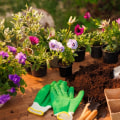
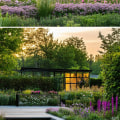
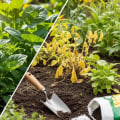
Creating a low-maintenance flower bed is an ideal solution for busy gardeners who wish to enjoy the beauty of flowers without the constant upkeep that traditional gardening often requires. In today’s fast-paced world, many individuals find it challenging to dedicate the necessary time and effort to maintain a vibrant garden. This is where the concept of low-maintenance gardening comes into play, offering a practical approach that allows you to enjoy your outdoor space with minimal intervention. The benefits of low-maintenance gardening extend beyond just saving time. By selecting the right plants and employing smart design strategies, you can create a flower bed that not only thrives with little care but also conserves resources such as water and energy.
This sustainable approach not only enhances the aesthetic appeal of your garden but also contributes positively to the environment. Moreover, low-maintenance flower beds can be tailored to suit various climates and soil types, making them accessible for gardeners in diverse regions. When considering easy flower bed ideas, think about incorporating native plants that are well-adapted to your local conditions. These plants typically require less water and are more resistant to pests and diseases, further reducing the need for maintenance. Additionally, using mulch can help suppress weeds and retain moisture in the soil, allowing your flower bed to flourish with minimal effort.
By embracing these principles, you can transform your garden into a stunning yet low-maintenance oasis that brings joy without overwhelming your schedule.
Choosing the Right Location for Your Flower Bed
When planning a low-maintenance flower bed, the location is one of the most critical factors to consider. The right spot can significantly reduce the amount of care your garden requires, allowing you to enjoy its beauty without constant upkeep.Sunlight Requirements
- Most flowering plants thrive in full sun, which typically means at least six hours of direct sunlight each day. Before planting, observe your garden throughout the day to identify areas that receive adequate sunlight.
- If your chosen location has partial shade, consider selecting shade-tolerant plants that can flourish in lower light conditions. Examples include hostas and ferns.
- Be mindful of any structures or trees that may cast shadows during different seasons, as this can affect sunlight exposure.
Soil Conditions
- The quality of the soil is equally important for a successful flower bed.
Conduct a soil test to determine pH levels and nutrient content. Most flowering plants prefer slightly acidic to neutral soil (pH 6.0 to 7.0).
- If your soil is heavy clay or sandy, consider amending it with organic matter such as compost. This will improve drainage and nutrient retention, creating a more hospitable environment for your flowers.
- A well-draining soil is essential; standing water can lead to root rot and other issues that require more maintenance.
Selecting Low-Maintenance Plants
When creating a low-maintenance flower bed, the selection of plants is crucial.Opting for low-maintenance plants not only reduces the amount of time spent on upkeep but also ensures a vibrant display throughout the seasons. Here are some excellent choices:
- Drought-Resistant Flowers: These plants thrive in dry conditions, making them perfect for gardens that experience periods of little rainfall. Consider the following:
- Lavender: Known for its fragrant blooms and ability to attract pollinators, lavender requires minimal watering once established.
- Sedum: This succulent plant is hardy and can withstand drought, providing beautiful foliage and flowers.
- Echinacea (Coneflower): A perennial favourite, echinacea is not only drought-resistant but also attracts butterflies and bees.
- Perennial Flowers: Perennials return year after year, reducing the need for replanting. Some low-maintenance options include:
- Daylilies: These resilient flowers bloom profusely and require little care, thriving in various soil types.
- Black-eyed Susans: With their bright yellow petals, these flowers are hardy and can tolerate drought conditions.
- Hostas: Ideal for shaded areas, hostas are low-maintenance and come in various sizes and colours.
By choosing the right plants, you can create a stunning garden that requires minimal effort to maintain.
Soil Preparation and Mulching Techniques
Creating a low-maintenance flower bed begins with effective soil preparation. The quality of your soil directly impacts the health and longevity of your plants. Start by testing your soil to determine its pH and nutrient levels. This will help you understand what amendments are necessary.Generally, a well-draining soil rich in organic matter is ideal for flower beds.To prepare the soil, follow these steps:
- Clear the area: Remove any existing weeds, grass, or debris from the flower bed site.
- Till the soil: Loosen the soil to a depth of at least 12 inches using a garden fork or tiller. This improves aeration and drainage.
- Add organic matter: Incorporate compost or well-rotted manure to enrich the soil with nutrients. This not only feeds your plants but also enhances soil structure.
- Level the surface: Rake the area to create an even surface, which helps with water distribution.
- Weed suppression: A thick layer of mulch blocks sunlight from reaching weed seeds, significantly reducing their growth.
- Moisture retention: Mulch helps retain soil moisture by reducing evaporation, meaning less frequent watering is required.
- Temperature regulation: It insulates the soil, keeping it cooler in summer and warmer in winter, which benefits plant roots.
- Bark mulch: Ideal for decorative purposes and long-lasting.
- Straw or hay: Excellent for vegetable gardens but may attract pests.
- Wood chips: Good for moisture retention and weed control.
- Rubber mulch: Durable and effective but may not provide nutrients to the soil.
By investing time in soil preparation and applying an appropriate layer of mulch, you can create a beautiful flower bed that requires minimal maintenance while thriving throughout the seasons.
Watering Strategies for Low-Maintenance Flower Beds
Creating a low-maintenance flower bed requires careful consideration of watering strategies that minimise effort while ensuring your plants thrive. Two effective methods to achieve this are drip irrigation and rainwater harvesting.Drip Irrigation
Drip irrigation is a highly efficient watering technique that delivers water directly to the roots of your plants. This method reduces water wastage and ensures that moisture reaches the areas where it is needed most. Here are some key benefits:- Targeted watering: Water is applied directly to the soil, reducing evaporation and runoff.
- Time-saving: Once installed, drip systems can be automated, allowing you to set a schedule that suits your garden's needs.
- Reduced weed growth: By limiting water to specific areas, you discourage weed growth in other parts of the flower bed.
Regular maintenance, such as checking for clogs and ensuring proper coverage, will keep your system running smoothly.
Rainwater Harvesting
Rainwater harvesting is another sustainable approach that not only conserves water but also provides your plants with natural, chemical-free moisture. Here’s how you can implement this method:- Install rain barrels: Position barrels under downspouts to collect rainwater from your roof. This water can be used for irrigation during dry spells.
- Create a rain garden: Designate an area in your garden to capture runoff from hard surfaces. This not only helps with drainage but also provides additional moisture for your flower bed.
- Use soaker hoses: Connect soaker hoses to your rain barrel for an efficient way to distribute collected rainwater directly to the soil.
Incorporating Hardscaping Elements
Incorporating hardscaping elements into your flower bed design can significantly reduce maintenance while enhancing the visual appeal of your garden.By strategically using materials such as stone, brick, and gravel, you can create a beautiful landscape that requires less upkeep.
Garden paths
are an excellent way to integrate hardscaping into your flower beds. Not only do they provide a clear route through your garden, but they also help to define the space. Consider using materials like flagstone, pavers, or even decomposed granite to create a durable and attractive pathway. These materials can be arranged in various patterns, allowing you to personalise your garden while ensuring that the soil around your flowers remains undisturbed.Another effective hardscaping idea is the use of decorative stones.These can be placed around the base of your flower beds to suppress weeds and retain moisture in the soil. Choose stones that complement the colours of your flowers for a cohesive look. Additionally, larger rocks can serve as focal points or natural borders, further reducing the area that needs regular maintenance.When planning your hardscaping, consider incorporating raised beds or retaining walls. These structures not only add dimension to your garden but also make it easier to manage soil quality and drainage.
By elevating your flower beds, you can create a more accessible gardening experience while minimising the amount of weeding and watering required.In summary, integrating hardscaping elements into your flower bed design not only enhances aesthetic appeal but also contributes to a low-maintenance garden. By carefully selecting materials and planning your layout, you can enjoy a beautiful outdoor space with minimal effort.
Maintaining Your Low-Maintenance Flower Bed
Maintaining a low-maintenance flower bed is essential for ensuring that your garden remains vibrant and healthy with minimal effort. Here are some practical tips to help you keep your flower bed in top condition throughout the seasons.Seasonal Care
- Spring: As the weather warms, remove any debris and dead plant material from the previous season. This will help prevent diseases and pests from taking hold.
Consider applying a layer of mulch to retain moisture and suppress weeds.
- Summer: Water your flower bed deeply but infrequently to encourage deep root growth. Focus on early morning or late evening watering to reduce evaporation. Deadhead spent flowers regularly to promote further blooming.
- Autumn: After the first frost, cut back perennials and remove any annuals that have finished blooming. Adding compost or well-rotted manure can enrich the soil for the next growing season.
- Winter: Protect your flower bed by covering it with a layer of mulch or straw to insulate the roots from extreme cold.
This also helps prevent soil erosion during winter rains.
Pest Control
Pests can be a significant concern in any garden, but there are several strategies you can employ to keep them at bay:- Companion Planting: Planting certain flowers together can deter pests naturally. For example, marigolds are known to repel aphids and nematodes.
- Regular Monitoring: Keep an eye on your plants for signs of pest activity. Early detection is key to managing infestations before they become severe.
- Natural Remedies: Use insecticidal soap or neem oil as organic options for controlling pests without harming beneficial insects.
FAQs About Low-Maintenance Flower Beds
Creating a low-maintenance flower bed can be a rewarding endeavour, but it often raises several questions. Here are some common queries and their answers to help you navigate the process.What are the best plants for a low-maintenance flower bed?
When selecting plants, consider drought-resistant and native species that thrive in your local climate.Some excellent options include:
- Lavender - A fragrant herb that requires minimal watering once established.
- Sedum - A succulent that is hardy and thrives in poor soil.
- Daylilies - These perennials are resilient and bloom profusely with little care.
- Black-eyed Susans - Bright and cheerful, they attract pollinators and require little maintenance.
How can I reduce weeds in my flower bed?
Weeds can be a gardener's worst enemy, but there are effective strategies to keep them at bay:- Mulching: Apply a thick layer of organic mulch around your plants to suppress weed growth and retain moisture.
- Ground covers: Planting low-growing ground covers can outcompete weeds for nutrients and space.
- Regular maintenance: A quick weekly check can help you catch weeds before they take over.
What should I do if my flower bed isn’t thriving?
If your flower bed is struggling, consider the following troubleshooting tips:- Check soil quality: Poor soil can hinder plant growth. Conduct a soil test to determine pH and nutrient levels.
- Assess sunlight exposure: Ensure your plants are receiving the appropriate amount of sunlight for their needs.
- Watering practices: Over or under-watering can stress plants. Adjust your watering schedule based on weather conditions.
Conclusion: Embracing Low-Maintenance Gardening
In conclusion, embracing low-maintenance gardening is not only a practical choice but also a sustainable one. By implementing the strategies discussed, you can create a beautiful flower bed that requires minimal upkeep while still providing a vibrant display of colour and life in your garden. Choosing the right plants is crucial; opting for drought-resistant and native species can significantly reduce the need for watering and fertilisation.Additionally, incorporating perennials into your flower bed ensures that you have a reliable bloom year after year without the hassle of replanting annually. Utilising mulch not only helps retain moisture but also suppresses weeds, making it easier to maintain your garden's appearance. Furthermore, designing your flower bed with grouped plantings allows for better air circulation and reduces the risk of disease, contributing to a healthier garden ecosystem. As you consider your gardening options, remember that low-maintenance does not mean low beauty. With careful planning and the right choices, you can cultivate a stunning landscape that enhances your outdoor space while allowing you to spend more time enjoying it rather than maintaining it. Ultimately, adopting a low-maintenance approach aligns with modern gardening trends that prioritise sustainability and environmental responsibility. By reducing resource consumption and promoting biodiversity, you contribute positively to the ecosystem while enjoying the aesthetic benefits of your garden. So take the plunge into low-maintenance gardening; it’s an investment in both your time and the environment that pays off in countless ways.