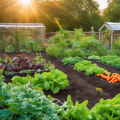
Maintaining a garden and landscape is not merely a hobby; it is an art that requires knowledge, patience, and dedication. Proper garden maintenance is essential for creating a thriving outdoor space that enhances the beauty of your home while providing a sanctuary for relaxation and enjoyment. However, many gardeners, both novice and experienced, often overlook critical aspects of maintenance that can lead to common pitfalls. Understanding these mistakes is the first step towards cultivating a healthy and vibrant garden. One of the most significant challenges in landscaping is the tendency to underestimate the specific needs of different plants.
Each species has its own requirements for sunlight, water, and soil type, and failing to cater to these can result in stunted growth or even plant death. Additionally, neglecting seasonal changes can lead to improper care routines, such as pruning at the wrong time or applying fertiliser when it’s least effective. These oversights not only affect individual plants but can also disrupt the overall harmony of your landscape. Moreover, many gardeners fall into the trap of over-planting or overcrowding their spaces, which can lead to competition for resources and ultimately hinder plant health. It’s crucial to plan your garden layout thoughtfully, allowing each plant enough room to flourish.
By recognising these common gardening mistakes early on, you can implement effective strategies that promote sustainability and longevity in your garden.
Neglecting Soil Health
One of the most critical aspects of successful gardening and landscaping is maintaining soil health. Healthy soil is the foundation for vibrant plants, as it provides essential nutrients, retains moisture, and supports beneficial microorganisms. Neglecting soil quality can lead to poor plant growth, increased susceptibility to pests, and a lack of resilience against environmental stressors.To ensure your garden thrives, it is vital to regularly test your soil. Soil testing can reveal pH levels, nutrient content, and organic matter percentage.Many local agricultural extensions or garden centres offer soil testing kits that allow you to assess your soil's condition easily. By understanding your soil's composition, you can make informed decisions about necessary amendments.
Common Soil Amendments:
- Compost: Adding well-decomposed organic matter improves soil structure, enhances nutrient availability, and boosts microbial activity.
- Mulch: Applying a layer of organic mulch helps retain moisture, suppress weeds, and gradually enriches the soil as it breaks down.
- Lime: If your soil is too acidic, adding lime can help raise the pH to a more neutral level, making nutrients more accessible to plants.
- Fertilizers: Depending on the results of your soil test, you may need to add specific fertilizers to correct nutrient deficiencies.
Overwatering and Underwatering Plants
One of the most common mistakes in garden and landscaping maintenance is improper watering practices, which can lead to serious consequences for your plants.Understanding the balance between overwatering and underwatering is crucial for effective plant care.
Signs of Overwatering:
- Yellowing Leaves: If the leaves of your plants are turning yellow, it may indicate that they are receiving too much water.
- Mushy Stems: Overwatered plants often develop soft, mushy stems that can be a sign of root rot.
- Fungal Growth: Excess moisture can lead to fungal diseases, which may appear as white or grey mould on the soil surface.
Signs of Underwatering:
- Crispy Leaves: If the edges of the leaves are brown and crispy, your plants may be suffering from a lack of water.
- Wilting: Plants that droop or wilt are often in desperate need of hydration.
- Dry Soil: Soil that pulls away from the edges of the pot or feels dry several inches down is a clear indicator of underwatering.
Tips for Effective Irrigation:
- Know Your Plants: Different plants have varying water needs. Research the specific requirements for each type in your garden.
- Check Soil Moisture: Before watering, check the soil moisture level by sticking your finger into the soil. If it feels damp an inch below the surface, it’s best to wait before watering again.
- Water Deeply and Infrequently: Encourage deep root growth by watering thoroughly but less frequently. This helps plants become more resilient to drought conditions.
- Use Mulch: Applying a layer of mulch around your plants can help retain moisture in the soil and reduce evaporation.
By paying attention to your plants' needs and adjusting your watering practices accordingly, you can create a thriving garden environment.
Ignoring Plant Selection and Placement
One of the most critical aspects of successful garden and landscaping is the careful consideration of plant selection and placement. Many gardeners make the mistake of choosing plants based solely on aesthetics or personal preference, without taking into account the specific environmental conditions of their garden. This can lead to poor growth, disease, and ultimately, plant failure.Understanding Your Environment
- Soil Type: Different plants thrive in different soil types. Conducting a soil test can help you understand its pH and nutrient levels, guiding you in selecting plants that will flourish.
- Sunlight: Assess how much sunlight your garden receives throughout the day.
Some plants require full sun, while others prefer partial shade. Placing a sun-loving plant in a shaded area can stunt its growth.
- Climate: Consider your local climate when selecting plants. Native species are often more resilient and better adapted to local conditions than exotic varieties.
The Importance of Plant Placement
Once you have selected the right plants, their placement within your garden is equally important. Proper plant placement can enhance both the visual appeal and health of your garden:
- Spacing: Ensure adequate spacing between plants to allow for air circulation and growth.
Overcrowding can lead to competition for resources and increased susceptibility to pests.
- Layering: Use a layering technique by placing taller plants at the back and shorter ones at the front. This not only creates depth but also ensures that all plants receive sufficient sunlight.
- Aesthetic Flow: Consider how different plants complement each other in terms of colour, texture, and form. A well-designed layout can create a harmonious landscape that is pleasing to the eye.
Failing to Prune and Maintain Plants Regularly
One of the most critical aspects of garden and landscaping information is understanding the importance of regular pruning and maintenance of plants.Neglecting this essential task can lead to a host of problems, including stunted growth, increased susceptibility to pests, and the spread of diseases.
Pruning Techniques
- Thinning: This technique involves removing selected branches to improve air circulation and light penetration, which is vital for healthy plant growth.
- Deadheading: Regularly removing spent flowers encourages new blooms and prevents plants from wasting energy on seed production.
- Shaping: Pruning can also be used to shape plants, ensuring they maintain an aesthetically pleasing form while promoting healthy growth.
- Watering: Ensure that plants receive adequate water, especially during dry spells. Overwatering can be just as harmful as underwatering.
- Fertilising: Use appropriate fertilisers to provide essential nutrients that support growth and flowering.
- Pest Control: Regularly inspect plants for signs of pests or disease. Early detection can prevent larger infestations and protect your garden's health.
Remember, a well-maintained garden is less likely to suffer from issues that arise from neglect, making it easier for you to enjoy the fruits of your labour.
Neglecting Pest Control Measures
Maintaining a vibrant garden and landscape requires vigilance, particularly when it comes to pest control. Neglecting this aspect can lead to significant damage to your plants and overall garden health. Common garden pests such as aphids, slugs, and caterpillars can quickly multiply, causing havoc if not addressed promptly.One of the most effective ways to manage pests is through organic pest management. This approach not only protects your plants but also safeguards the environment.Here are some strategies to consider:
- Regular Monitoring: Keep a close eye on your plants for any signs of pest activity. Early detection is key to preventing infestations.
- Encourage Beneficial Insects: Ladybugs and lacewings are natural predators of many common pests. Planting flowers that attract these beneficial insects can help maintain a balanced ecosystem in your garden.
- Use Natural Repellents: Sprays made from garlic, neem oil, or insecticidal soap can deter pests without harming beneficial insects or the environment.
- Crop Rotation: Changing the location of your plants each season can disrupt the life cycles of pests that may have settled in one area.
Overlooking Seasonal Changes and Weather Conditions
One of the most significant mistakes gardeners make is overlooking seasonal changes and the impact of weather conditions on their gardens.Each season brings unique challenges and opportunities that can greatly influence plant health and garden aesthetics.
Understanding Seasonal Gardening
- Spring: This is the time for planting and rejuvenation. However, many gardeners rush to plant without considering the last frost date, which can lead to the loss of tender seedlings.
- Summer: During this season, heat stress can affect plants. It's crucial to adjust watering schedules and provide adequate shade for sensitive species.
- Autumn: As temperatures drop, many neglect to prepare their gardens for winter. Properly mulching and protecting plants can prevent damage from frost.
- Winter: While many assume gardening stops, winter is a time for planning and maintenance.
Ignoring this season can lead to a chaotic start in spring.
The Impact of Weather Conditions
The weather can change rapidly, and being unprepared can have dire consequences for your garden. For instance, unexpected heavy rainfall can lead to waterlogged soil, which may cause root rot in plants. Conversely, prolonged dry spells require adjustments in irrigation practices to ensure plants receive adequate moisture.
Climate Considerations
Understanding your local climate is essential for successful gardening. Different regions experience varying weather patterns that affect plant selection and care routines.
For example, gardeners in coastal areas may need to choose salt-tolerant plants, while those in arid regions should focus on drought-resistant varieties.In conclusion, adapting your gardening practices according to seasonal changes and weather conditions is vital for maintaining a healthy landscape. By staying informed and responsive to these factors, you can avoid common pitfalls and ensure your garden thrives throughout the year.
Ignoring Mulching Benefits
One of the most significant mistakes gardeners make is ignoring the benefits of mulching. Mulching is a simple yet effective practice that can transform your garden and landscape, providing numerous advantages that enhance plant health and overall aesthetics.Moisture Retention
One of the primary benefits of mulching is its ability to retain moisture in the soil. By applying a layer of mulch, you can significantly reduce evaporation, ensuring that your plants have access to the water they need, especially during hot summer months.
This not only conserves water but also reduces the frequency of watering, saving you time and effort.
Weed Suppression
Another critical advantage is weed suppression. A thick layer of mulch acts as a barrier, preventing sunlight from reaching weed seeds and inhibiting their growth. This means less time spent weeding and more time enjoying your garden. Additionally, fewer weeds mean less competition for nutrients and water, allowing your plants to thrive.
Temperature Regulation
Mulch also plays a vital role in regulating soil temperature.
In colder months, it insulates the soil, protecting plant roots from freezing temperatures. Conversely, during hot weather, mulch helps keep the soil cooler, creating a more stable environment for plant growth.
Types of Garden Mulch
- Organic Mulch: Materials such as wood chips, straw, and grass clippings decompose over time, enriching the soil with nutrients.
- Inorganic Mulch: Options like gravel or landscape fabric provide long-lasting coverage without adding nutrients but are excellent for weed control.
- Living Mulch: Ground covers like clover can serve as mulch while also providing additional benefits such as nitrogen fixation.
Landscape Mulching Tips
- Apply a layer of mulch 5-10 cm thick for optimal results.
- Avoid piling mulch against plant stems or tree trunks to prevent rot.
- Refresh your mulch annually to maintain its effectiveness and appearance.
Conclusion: Key Takeaways for Successful Garden Maintenance
In conclusion, maintaining a garden and landscape requires careful attention to detail and a proactive approach to avoid common pitfalls. By understanding and implementing the key takeaways outlined in this article, you can significantly enhance the health and beauty of your outdoor space.Prioritise Planning
One of the most critical aspects of successful garden maintenance is effective planning.Before you start planting, take the time to assess your garden's layout, soil quality, and sunlight exposure. This will help you choose the right plants that thrive in your specific conditions.
Avoid Overwatering
Another common mistake is overwatering, which can lead to root rot and other issues. Always check the moisture level of the soil before watering, and consider installing a drainage system if necessary.Regular Maintenance
Consistent upkeep is essential. Regularly prune, weed, and fertilize your garden to promote healthy growth.Neglecting these tasks can result in an overgrown and unmanageable landscape.